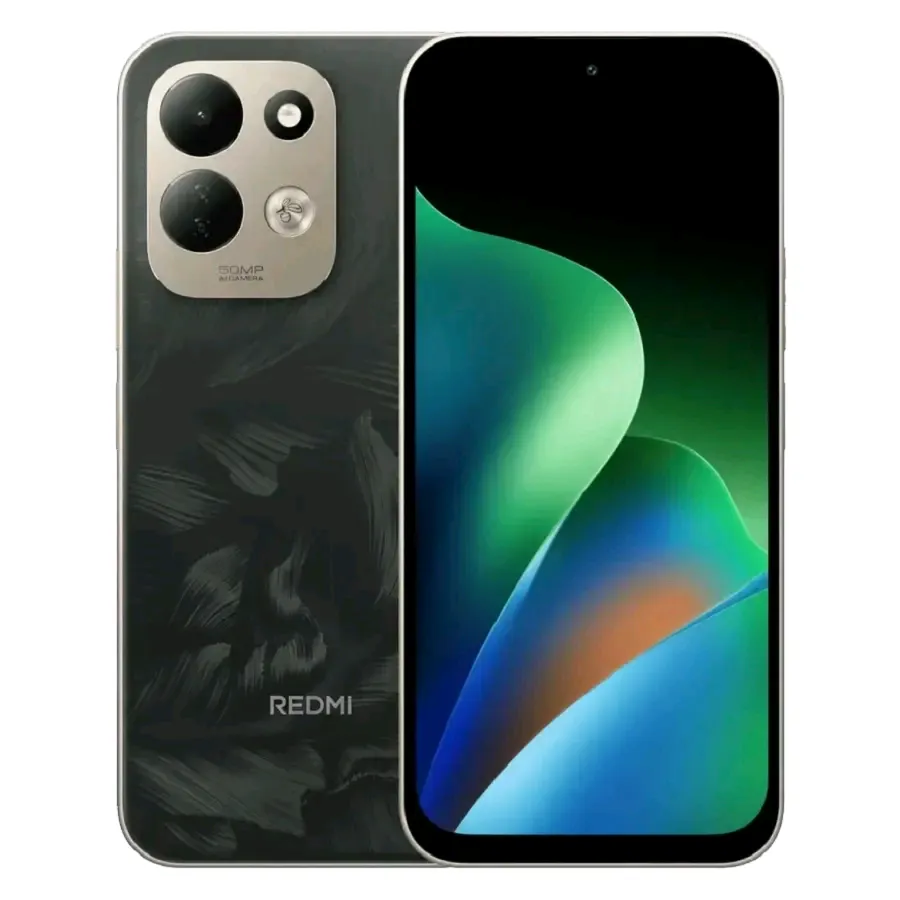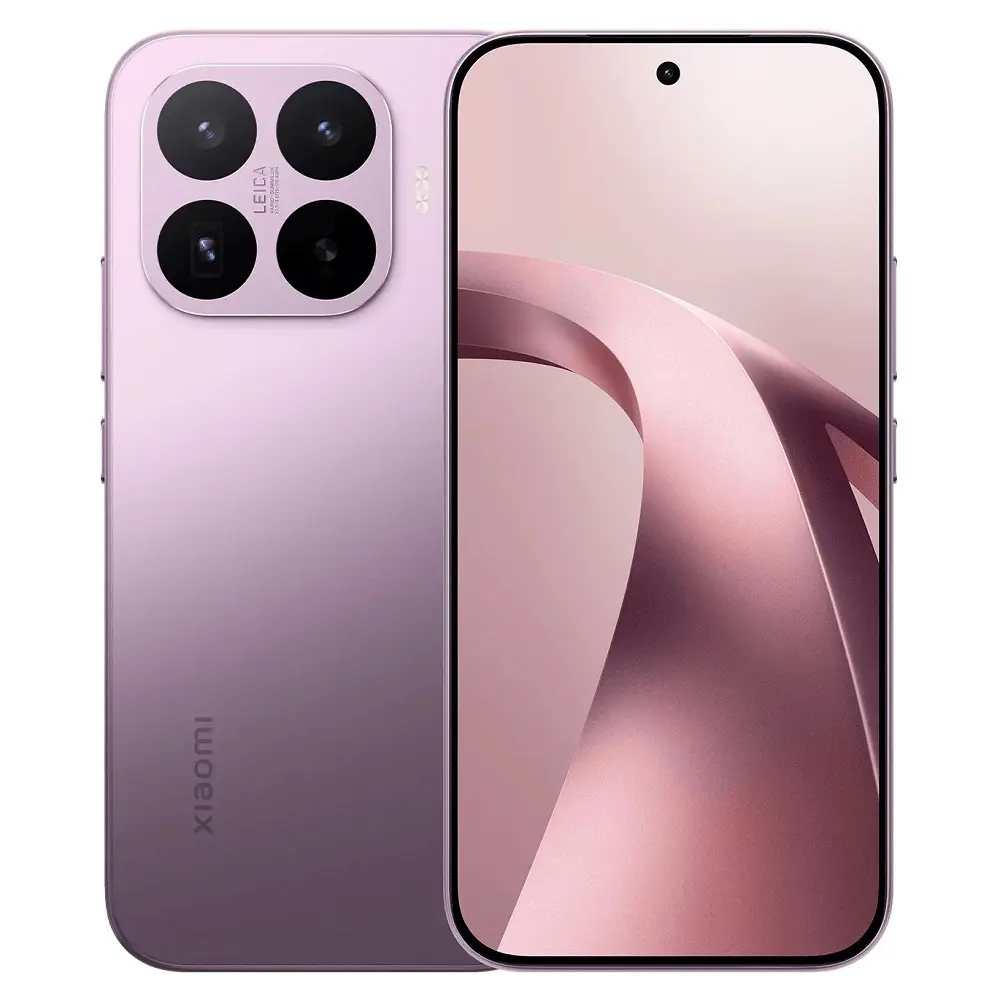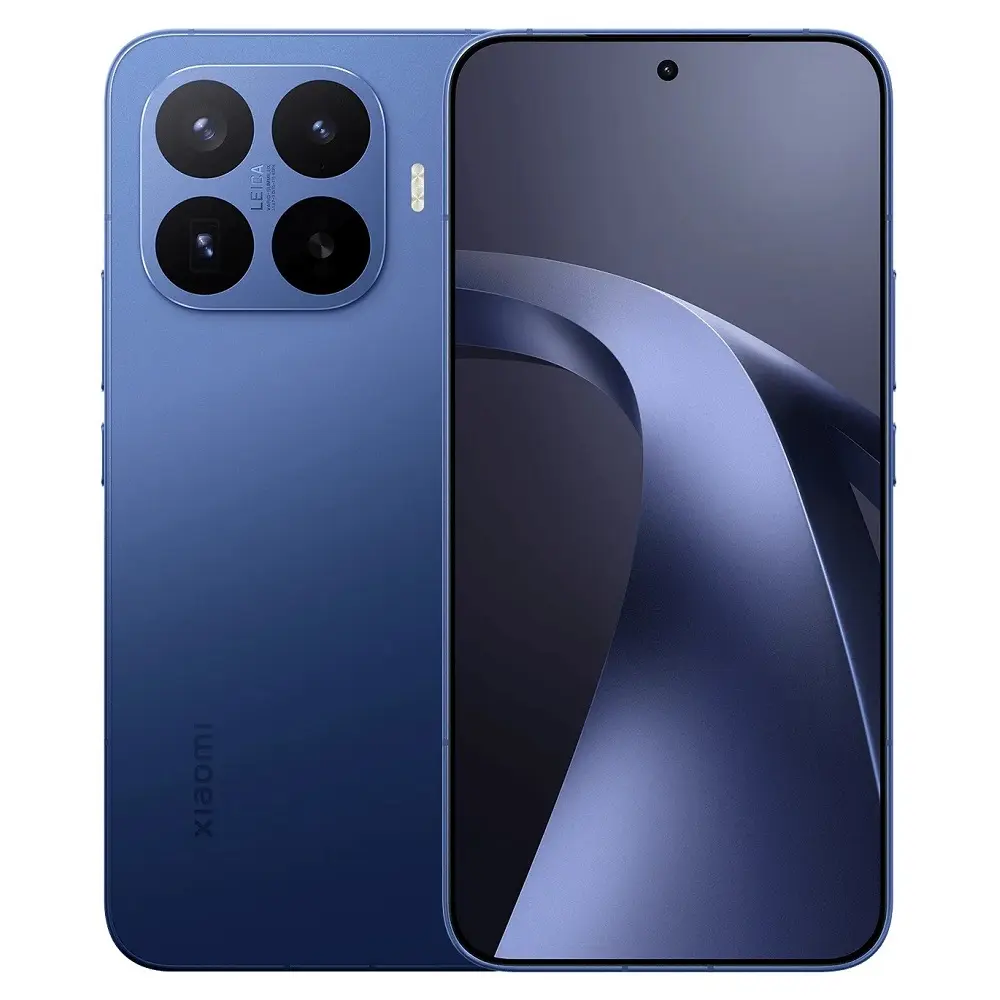
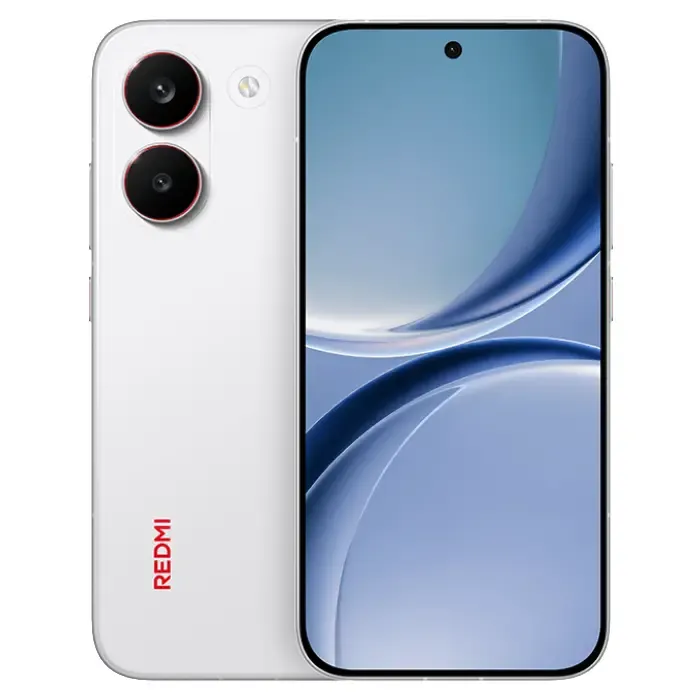
Available Variants
Full Specifications
Upgrade Worth It?Network
| Technology | GSM / CDMA / HSPA / CDMA2000 / LTE / 5G |
| 2G bands | GSM 850 / 900 / 1800 / 1900, CDMA 800 |
| 3G bands | HSDPA 800 / 850 / 900 / 1700(AWS) / 2100, CDMA2000 1x |
| Speed | HSPA, LTE, 5G |
| 4G bands | 1, 3, 5, 8, 19, 28, 34, 38, 39, 40, 41, 42, 48 |
| 5G bands | 1, 3, 5, 8, 28, 34, 38, 39, 40, 41, 48, 77, 78 SA/NSA/Sub6 |
Launch
| Announced | 2026, January 29 |
| Status | Available. Released 2026, January 29 |
Body
| Protection | IP68/IP69K dust tight and water resistant (high pressure water jets; immersible up to 1.5m for 30 min) |
| SIM | Nano-SIM + Nano-SIM |
| Build | Glass front, aluminum frame |
| Weight | 204 g (7.20 oz) |
| Dimensions | 157.5 x 75.2 x 8.2 mm (6.20 x 2.96 x 0.32 in) |
Display
| Size | 6.59 inches, 106.4 cm2 (~89.8% screen-to-body ratio) |
| Resolution | 1268 x 2756 pixels, 19.5:9 ratio (~460 ppi density) |
| Type | AMOLED, 68B colors, 120Hz, 3840Hz PWM, Dolby Vision, HDR10+, HDR Vivid, 3500 nits (peak) |
Hardware & Software
| OS | Android 16, HyperOS 3 |
| Chipset | Mediatek Dimensity 8500 Ultra (4 nm) |
| CPU | Octa-core (1x3.4 GHz Cortex-A725 & 3x3.2 GHz Cortex-A725 & 4x2.2 GHz Cortex-A725) |
| GPU | Mali-G720 MC8 |
Memory & Storage
| Card slot | No |
| Storage Type | UFS 4.1 |
| Internal | 256GB 12GB RAM, 256GB 16GB RAM, 512GB 12GB RAM, 512GB 16GB RAM |
Main Camera
| Video | 4K@30/60fps, 1080p@30/60/120/240/960fps, gyro-EIS, HDR10+ |
| Features | LED flash, HDR, panorama |
| Dual | 50 MP, f/1.5, 26mm (wide), 1/1.95", 0.8µm, PDAF, OIS 8 MP, f/2.2, 15mm (ultrawide), 1/4.0", 1.12µm |
Selfie Camera
| Single | 20 MP, f/2.2, (wide), 1/4" |
| Video | 1080p@30/60fps |
Sound
| Loudspeaker | Yes, with stereo speakers |
| Audio Quality | 24-bit/192kHz Hi-Res & Hi-Res Wireless audio |
| 3.5mm jack | No |
Connectivity
| WLAN | Wi-Fi 802.11 a/b/g/n/ac/6, dual-band, Wi-Fi Direct |
| Infrared port | Yes |
| USB | USB Type-C 2.0, OTG |
| Radio | No |
| NFC | Yes |
| Positioning | GPS (L1+L5), BDS (B1I+B1c+B2a), GALILEO (E1+E5a), QZSS (L1+L5), NavIC (L5), GLONASS |
| Bluetooth | 5.4, A2DP, LE, aptX HD, LHDC 5, Auracast, ASHA, MIHC |
Features
| Sensors | Fingerprint (under display, optical), accelerometer, gyro, compass, proximity |
Battery
| Charging | 100W wired, 100W PPS, PD3.0 27W reverse wired |
| Type | Si/C Li-Ion 7560 mAh |
Community Discussions
(0)No Discussions Yet
Be the first to ask a question, share a review, or give advice about the Xiaomi Redmi Turbo 5.
Start a DiscussionFrequently Asked Questions
Description
Overview & Display
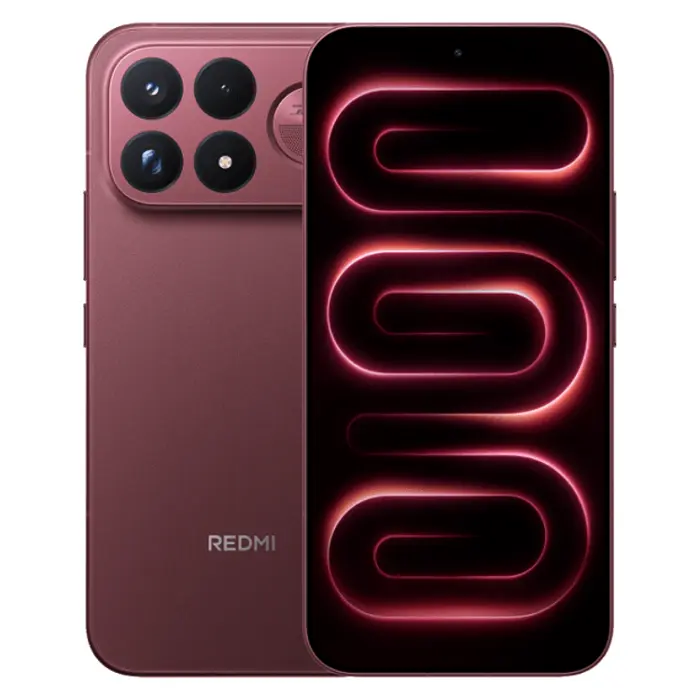
The Xiaomi Redmi Turbo 5, launched in 2026, presents a modern profile built around a premium glass front and a durable aluminum frame. It features a rugged design certified with an IP68/IP69K rating for dust tight and water resistance, protecting the device from high-pressure water jets and continuous submersion. The front is dominated by a 6.59-inch AMOLED display that yields sharp visuals with a resolution of 1268 x 2756 pixels. It supports 68 billion colors and advanced high-dynamic-range formats such as Dolby Vision, HDR10+, and HDR Vivid, ensuring an engaging viewing experience for video playback and media consumption. A smooth 120Hz refresh rate delivers fluid motion during fast scrolling and animation, while a peak brightness of 3500 nits allows the screen to remain clearly legible even in direct sunlight. Additionally, a 3840Hz PWM dimming feature helps reduce eye strain during prolonged use in darker environments. Driving the core experience is the Mediatek Dimensity 8500 Ultra processor built on a 4 nm process architecture. Combined with either 12GB or 16GB of high-speed RAM, this configuration ensures snappy responsiveness for everyday multitasking, quick application switching, and heavy application workflows without stuttering.
Camera & Battery
The photography setup includes a capable dual rear camera array anchored by a 50 MP wide-angle main sensor. This main lens features an f/1.5 aperture, Phase Detection Auto Focus, and Optical Image Stabilization, which actively reduces motion blur to ensure sharper stills and steady captures under challenging conditions. Accompanying the main sensor is an 8 MP ultrawide lens with an f/2.2 aperture, allowing users to fit broader landscapes and large group shots comfortably into a single frame. For moving images, the rear camera captures video at 4K resolution up to 60fps and offers extensive slow-motion video capabilities up to 960fps at 1080p, supported by gyro-EIS for smoother motion. On the front, a 20 MP wide selfie camera handled video calls and portrait captures, supporting standard video recording up to 1080p at 60fps. Powering the smartphone is a substantial 7560 mAh silicon-carbon battery that comfortably supports extended screen-on time, averaging roughly 11.5 hours under mixed usage scenarios. When the power drains, the device relies on 100W wired charging via USB Type-C to rapidly top up the cell. It also supports 27W reverse wired charging, turning the smartphone into a portable power source to charge other compatible accessories when needed.
Who Should Buy This
This device fits exceptionally well for power-hungry users like mobile gamers, students, and active professionals who require consistent speed and enduring battery life throughout the day. The large 120Hz AMOLED display and powerful chip architecture create an optimal environment for high-frame-rate gaming and running multiple productivity applications simultaneously. The remarkable battery capacity ensures peace of mind for individuals who frequently travel or work away from traditional power outlets. However, users should be aware of a few distinct physical and software trade-offs. The device omits a traditional 3.5mm headphone jack, meaning users must rely on wireless options or USB-C adapters for audio. Storage is strictly internal with no dedicated card slot for expandable memory, making it critical to choose the correct storage configuration upfront. The camera system, while delivering respectable results, does not reach ultimate flagship standards and might not fully satisfy dedicated photography enthusiasts. Furthermore, software update support may be shorter compared to some competing brands, which is a consideration if you plan to keep the device for many years.
Pros
High-end processing power handles heavy multitasking and gaming smoothly.
High brightness 120Hz screen is easily readable outdoors.
Robust IP68/IP69K rating offers advanced water and dust protection.
Exceptional battery capacity provides long hours of continuous use.
Extremely fast 100W wired charging paired with useful reverse charging.
Cons
Missing a 3.5mm headphone jack for wired audio accessories.
Lacks expandable storage due to the absence of a microSD slot.
Camera system is decent but falls short of flagship photography standards.
Software update support may be shorter over the long term.
Verdict
The Xiaomi Redmi Turbo 5 delivers exceptional computing power, high-grade display tech, and an incredibly large battery wrapped in a robust, water-resistant chassis. It represents an ideal match for gamers and heavy multitaskers who prioritize pure performance and longevity over elite camera capabilities. The device stands out as a reliable workhorse for anyone requiring uninterrupted daily productivity without frequent visits to a wall outlet.
Write a Review
Reviews (3)
Upgrade Worth It?
Using an older phone?
Compare your current device with Xiaomi Redmi Turbo 5 to analyze performance gains and price difference.
Camera Samples
Performance & Features
Estimated average on high settings
Screen-on time (mixed usage)
Based on AI analysis
* These values are calculated automatically by our system and may not be 100% accurate.