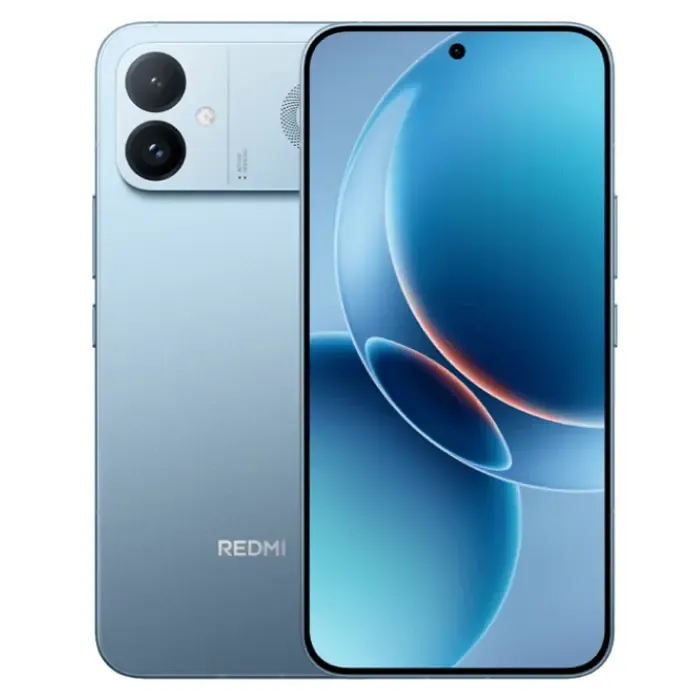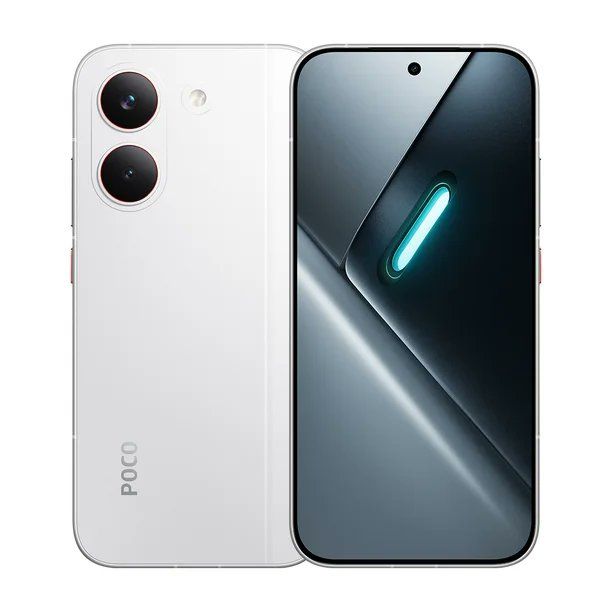

Available Variants
Best For You
See how well this phone fits different types of users.
Full Specifications
Upgrade Worth It?Network
| Technology | GSM / HSPA / LTE / 5G |
| 2G bands | GSM 850 / 900 / 1800 / 1900 |
| 3G bands | HSDPA 850 / 900 / 1700(AWS) / 1900 / 2100 |
| Speed | HSPA, LTE, 5G |
| 4G bands | 1, 2, 3, 4, 5, 7, 8, 12, 13, 17, 18, 19, 20, 26, 28, 32, 38, 40, 41, 42, 48, 66 |
| 5G bands | 1, 2, 3, 5, 7, 8, 12, 20, 26, 28, 38, 40, 41, 48, 66, 77, 78 SA/NSA |
Launch
| Announced | 2026, August 27 |
| Status | Available. Released 2026, August 28 |
Body
| Protection | IP68/IP69K dust tight and water resistant (high pressure water jets; immersible up to 1.5m for 30 min) - ROW IP68 dust tight and water resistant (immersible up to 1.5m for 30 min) - EU only Manufacturer-rated water-resistance (up to 2m for 72 hours) Drop resistant up to 3m |
| SIM | Nano-SIM + Nano-SIM + eSIM + eSIM (max 2 at a time) |
| Build | Glass front (Gorilla Glass Victus 2), plastic back, plastic frame |
| Weight | 229.5 g (8.11 oz) |
| Dimensions | 163.4 x 78.3 x 8.6 mm (6.43 x 3.08 x 0.34 in) |
Display
| Size | 6.83 inches, 114.5 cm2 (~89.5% screen-to-body ratio) |
| Resolution | 1280 x 2772 pixels, 19.5:9 ratio (~447 ppi density) |
| Protection | Corning Gorilla Glass Victus 2 |
| Type | AMOLED, 68B colors, 120Hz, 3840Hz PWM, HDR10+, Dolby Vision, 1060 nits (typ), 2000 nits (HBM), 3500 nits (peak) |
Hardware & Software
| OS | Android 16, HyperOS 3 |
| Chipset | Qualcomm SM6850 Snapdragon 6 Gen 5 (4 nm) |
| CPU | Octa-core (4x2.6 GHz Cortex-A78 & 4x2.0 GHz Cortex-A55) |
| GPU | Adreno 812 |
Memory & Storage
| Card slot | No |
| Storage Type | UFS 2.2 - 128GB only UFS 4.1 |
| Internal | 128GB 8GB RAM, 256GB 8GB RAM, 256GB 12GB RAM, 512GB 8GB RAM |
Main Camera
| Video | 4K@30fps, 1080p@30/60fps, gyro-EIS, OIS |
| Features | LED flash, HDR, panorama |
| Dual | 50 MP, f/1.5, 26mm (wide), 1/1.95", 0.8µm, PDAF, OIS 8 MP, f/2.2, 15mm, 120˚ (ultrawide), 1/4.0", 1.12µm |
Selfie Camera
| Single | 32 MP, f/2.2, (wide), 1/3.6", 0.61µm |
| Video | 4K@30fps, 1080p@30/60fps, gyro-EIS |
| Features | HDR, panorama |
Sound
| Loudspeaker | Yes, with stereo speakers (with Dolby Atmos) |
| Audio Quality | 24-bit/192kHz Hi-Res & Hi-Res wireless audio |
| 3.5mm jack | No |
Connectivity
| WLAN | Wi-Fi 802.11 a/b/g/n/ac/6, dual-band, Wi-Fi Direct |
| Infrared port | Yes |
| USB | USB Type-C 2.0, OTG |
| Radio | No |
| NFC | Yes (market/region dependent) |
| Positioning | GPS, GALILEO, GLONASS, QZSS, BDS (B1I+B1c) |
| Bluetooth | 6.0, A2DP, LE |
Features
| Sensors | Fingerprint (under display, optical), accelerometer, gyro, compass, proximity |
Battery
| Charging | 100W wired, PD3.0, PPS 27W reverse wired |
| Type | Si/C Li-Ion 9210 mAh - version 1 Si/C Li-Ion 10000 mAh - version 2 |
Tests
| Performance | AnTuTu: 841707 (v10) GeekBench: 3070 (v6) 3DMark: 1190 (Wild Life Extreme) |
| Battery | Active use score 22:31h |
| Loudspeaker | -24.3 LUFS (Very good) |
| Display | 1109 nits max brightness (measured) |
Community Discussions
(0)No Discussions Yet
Be the first to ask a question, share a review, or give advice about the Xiaomi Redmi Note 17 Pro Max.
Start a DiscussionFrequently Asked Questions
Description
Overview & Display
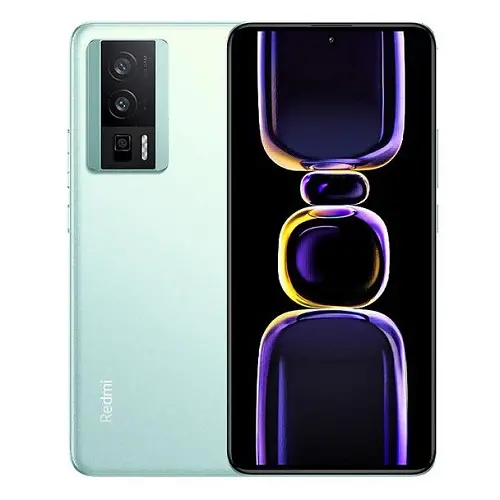
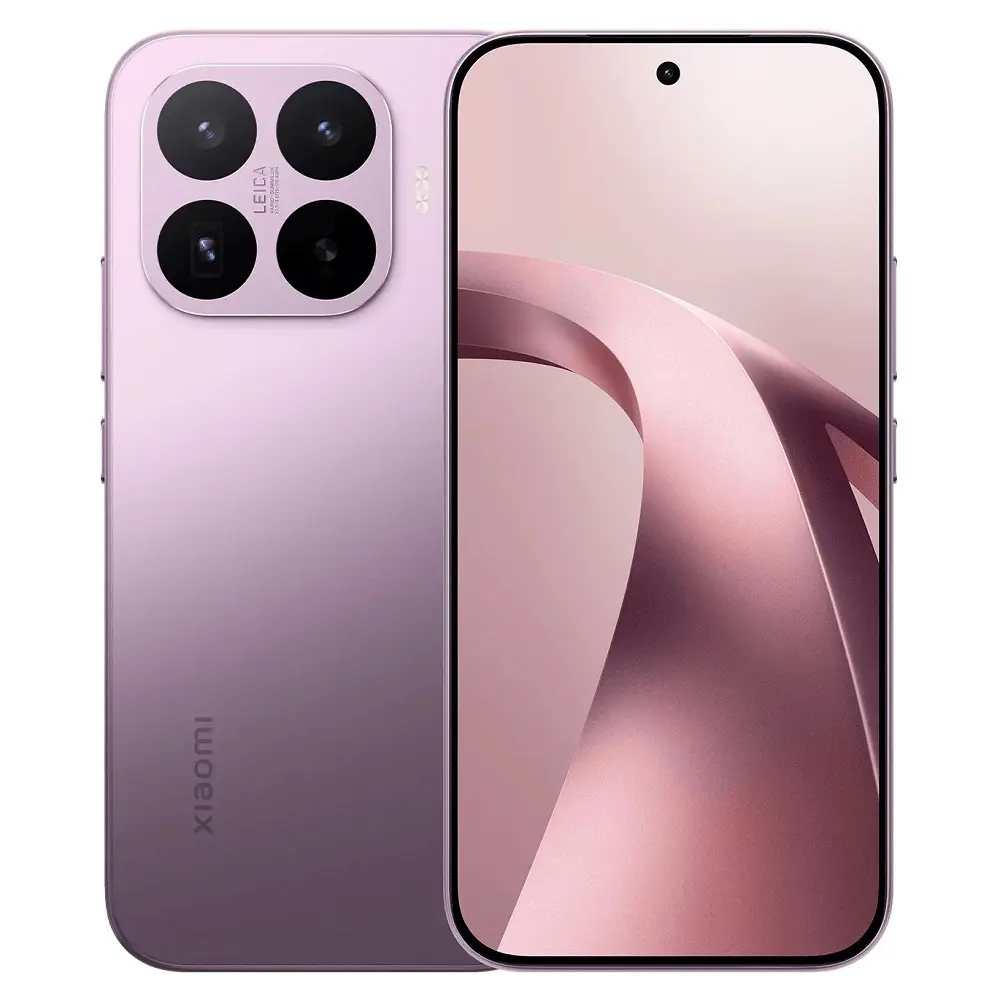
The Xiaomi Xiaomi Redmi Note 17 Pro Max combines a glass front with Gorilla Glass Victus 2, a plastic back, and a plastic frame. It is a substantial phone at 8.6 mm thick and 229.5 g, while IP68/IP69K protection on the ROW version adds resistance against dust, immersion, and high-pressure water jets. The 6.83-inch AMOLED display is the main attraction, offering a sharp 1280 × 2772 resolution, a smooth 120Hz refresh rate, HDR10+, Dolby Vision, and exceptionally high stated brightness. Its 3840Hz PWM support may also make viewing more comfortable for some users.
Powered by the Snapdragon 6 Gen 5 built on a 4nm process, the Xiaomi Xiaomi Redmi Note 17 Pro Max delivers capable everyday performance, with benchmark results reaching 841,707 in AnTuTu v10. The octa-core processor and Adreno 812 graphics handle browsing, streaming, communication, and general multitasking effectively. Memory options include 8GB or 12GB RAM, while storage ranges from 128GB to 512GB. The 128GB model uses UFS 2.2, whereas the larger capacities use UFS 4.1. Android 16 with HyperOS 3 provides the software foundation, and dual-band Wi-Fi 6, Bluetooth 6.0, and 5G support strengthen its connected daily experience.
Camera & Battery
The rear camera system pairs a 50MP wide sensor with a bright f/1.5 aperture, PDAF, and optical image stabilization. An 8MP ultrawide camera expands the field of view to 120 degrees, making it useful for broader scenes. Supported features include HDR, panorama, and LED flash. Video recording reaches 4K at 30 frames per second, with gyro-EIS and OIS available for stabilization. The 32MP front camera supports HDR, panorama, 4K video at 30fps, and electronic stabilization, giving users flexible tools for selfies and video calls without adding unnecessary camera hardware.
Battery capacity varies by version, with either 9210mAh or 10000mAh using silicon-carbon lithium-ion technology. That is a substantial power reserve, and the tested active-use score of 22 hours 31 minutes indicates strong endurance for demanding daily routines. When the battery does run low, 100W wired charging with PD3.0 and PPS support is available. The phone can also provide 27W reverse wired charging for compatible accessories. Stereo speakers with Dolby Atmos and Hi-Res audio support further suit video streaming, music, and gaming, although wired listening requires USB-C or wireless headphones.
Who Should Buy This
The Xiaomi Xiaomi Redmi Note 17 Pro Max is well suited to users who want a large, bright AMOLED screen, long battery endurance, 5G connectivity, and fast wired charging in one device. Its stereo speakers, Dolby Vision support, high-refresh display, and capable Snapdragon platform make it a practical choice for streaming, gaming, multitasking, and extended travel. Buyers who regularly capture everyday photos will also appreciate the stabilized 50MP main camera and ultrawide option. However, users who need expandable storage, a 3.5mm headphone jack, or faster USB data transfer may prefer a different model. Its considerable weight may also matter to those seeking a lighter handset.
Pros
- Large AMOLED display with 120Hz refresh rate
- Strong battery endurance and 100W wired charging
- 50MP main camera with OIS and 4K video
- IP68/IP69K protection on the ROW version
- Stereo speakers with Dolby Atmos support
Cons
- No microSD card slot for storage expansion
- No 3.5mm headphone jack
- USB Type-C 2.0 limits wired transfer speeds
- Relatively heavy at 229.5 grams
Verdict
The Xiaomi Xiaomi Redmi Note 17 Pro Max is a feature-rich large-screen phone with excellent endurance, rapid charging, capable performance, and a versatile stabilized camera setup. Its AMOLED panel, stereo sound, strong protection ratings, and broad 5G support add to its everyday appeal. The main compromises are its heavy body, absent memory-card slot and headphone jack, and USB 2.0 connection. For users prioritizing display quality, battery life, multimedia, and modern connectivity, it is a well-rounded 2026 smartphone.
Write a Review
Upgrade Worth It?
Using an older phone?
Compare your current device with Xiaomi Redmi Note 17 Pro Max to analyze performance gains and price difference.
Camera Samples
Performance & Features
Estimated average on high settings
Screen-on time (mixed usage)
Based on AI analysis
* These values are calculated automatically by our system and may not be 100% accurate.
Antutu Benchmark
v10* Scores are based on lab tests and may vary by device condition and version.