Available Variants
Full Specifications
Upgrade Worth It?Network
| Technology | GSM / HSPA / LTE / 5G |
| 2G bands | GSM 850 / 900 / 1800 / 1900 |
| 3G bands | HSDPA 800 / 850 / 900 / 1700(AWS) / 1900 / 2100 |
| Speed | HSPA, LTE, 5G |
| 4G bands | 1, 2, 3, 4, 5, 7, 8, 12, 17, 18, 19, 20, 25, 26, 28, 30, 32, 34, 38, 39, 40, 41, 42, 48, 66, 71 |
| 5G bands | 1, 2, 3, 5, 7, 8, 12, 20, 25, 28, 30, 38, 40, 41, 66, 71, 75, 77, 78 |
Launch
| Announced | 2023, July 11 |
| Status | Available. Released 2023, July 17 |
Body
| Weight | 201.2 g (7.09 oz) |
| Build | Glass front (Gorilla Glass 5), glass back (Gorilla Glass 5), aluminum frame |
| SIM | Nano-SIM + Nano-SIM |
| Protection | IP54 dust protected and water resistant (water splashes) |
| Dimensions | 162.1 x 76.4 x 8.6 mm (6.38 x 3.01 x 0.34 in) |
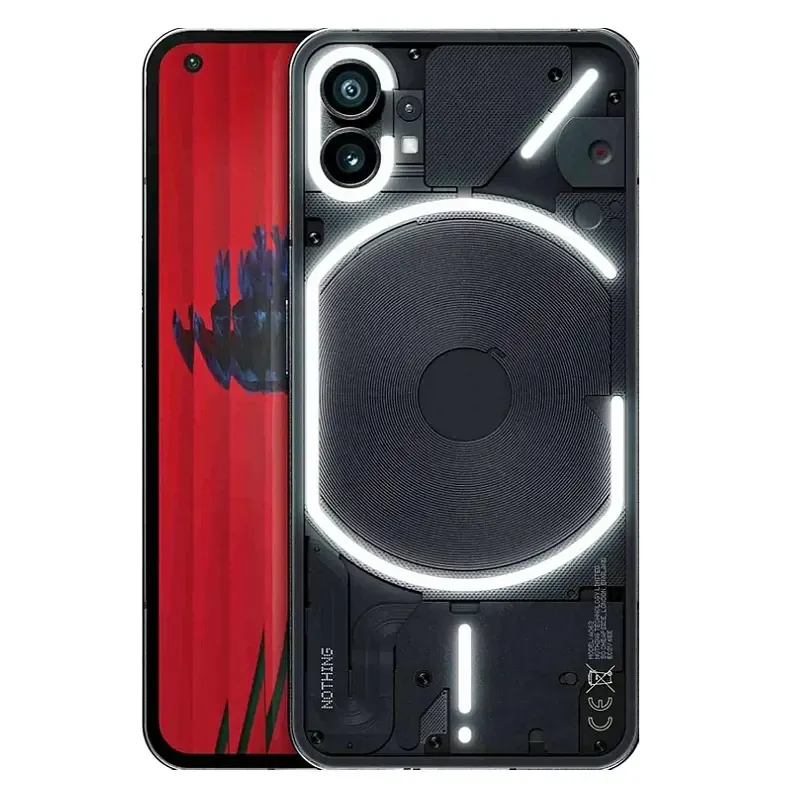
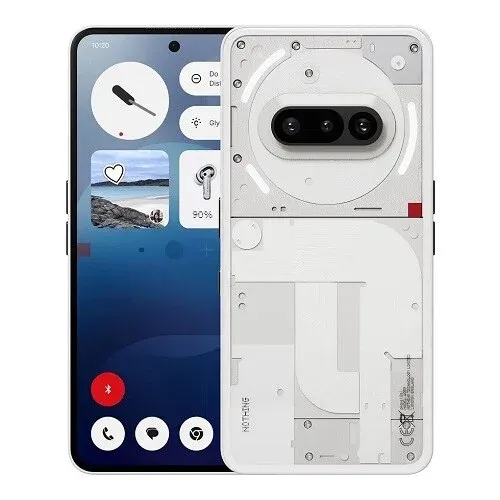
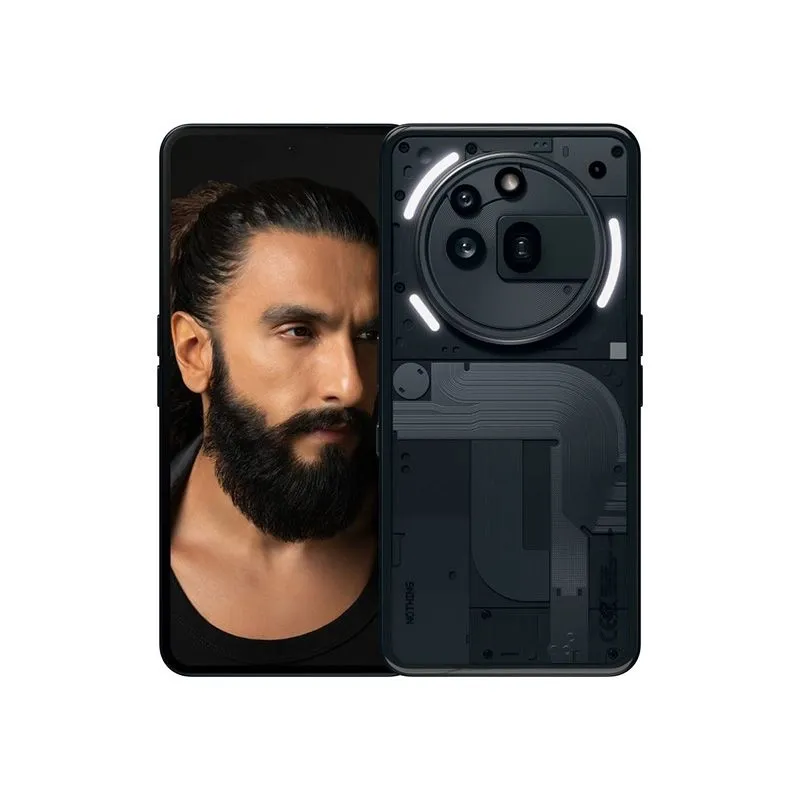
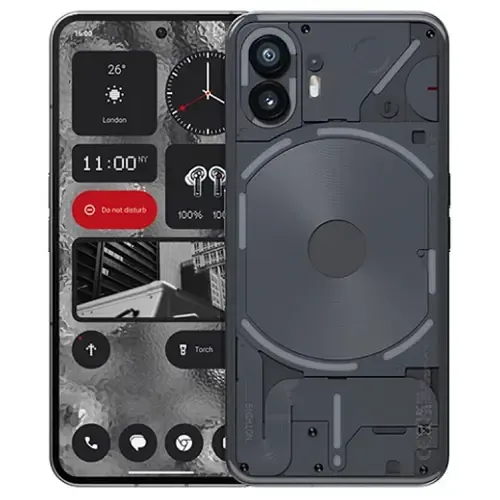
| Glyph Interface | 11 LED light strips on the back (notifications, camera fill light, 33 addressable zones) Blinking red light on the back (video recording indicator) |
Display
| Type | LTPO OLED, 1B colors, 120Hz, 1920Hz PWM, HDR10+, 1600 nits (HBM), 1600 nits (peak) |
| Protection | Corning Gorilla Glass 5 |
| Resolution | 1080 x 2412 pixels, 20:9 ratio (~394 ppi density) |
| Size | 6.7 inches, 108.0 cm2 (~87.2% screen-to-body ratio) |
Hardware & Software
| OS | Android 13, upgradable to Android 15, up to 3 major Android upgrades, Nothing OS 3.0 |
| Chipset | Qualcomm SM8475 Snapdragon 8+ Gen 1 (4 nm) |
| CPU | Octa-core (1x3.0 GHz Cortex-X2 & 3x2.5 GHz Cortex-A710 & 4x1.80 GHz Cortex-A510) |
| GPU | Adreno 730 |
Memory & Storage
| Card slot | No |
| Internal | 128GB 8GB RAM, 256GB 12GB RAM, 512GB 12GB RAM |
Main Camera
| Video | 4K@30/60fps, 1080p@30/60fps, gyro-EIS, live HDR, OIS |
| Features | LED flash, panorama, HDR |
| Dual | 50 MP, f/1.9, 24mm (wide), 1/1.56", 1.0µm, PDAF, OIS 50 MP, f/2.2, 114˚ (ultrawide), 1/2.76", 0.64µm, AF |
Selfie Camera
| Single | 32 MP, f/2.5, (wide), 1/2.74", 0.8µm |
| Features | HDR |
| Video | 1080p@30fps |
Sound
| Loudspeaker | Yes, with stereo speakers |
| Audio Technology | Snapdragon Sound |
| 3.5mm jack | No |
Connectivity
| WLAN | Wi-Fi 802.11 a/b/g/n/ac/6, dual-band, Wi-Fi Direct |
| USB | USB Type-C 2.0, OTG |
| Radio | No |
| NFC | Yes |
| Positioning | GPS (L1+L5), GLONASS (L1), BDS (B1I+B1c), GALILEO (E1), QZSS (L1), NavIC |
| Bluetooth | 5.3, A2DP, LE, aptX HD, aptX Adaptive |
Features
| Sensors | Fingerprint (under display, optical), accelerometer, proximity, gyro, compass |
Battery
| Charging | 45W wired, PD3.0, PPS, QC4, 100% in 55 min 15W wireless, 100% in 130 min 5W reverse wireless |
| Type | Li-Ion 4700 mAh |
Tests
| Performance | AnTuTu: 895434 (v9), 972126 (v10) GeekBench: 3957 (v5.5), 4219 (v6.0) GFXBench: 60fps (ES 3.1 onscreen) |
| Display | 998 nits max brightness (measured) |
| Camera | Photo / Video |
| Loudspeaker | -23.9 LUFS (Very good) |
| Battery (old) | Endurance rating 103h |
| Battery | Active use score 14:21h |
Community Discussions
(0)No Discussions Yet
Be the first to ask a question, share a review, or give advice about the Nothing Phone (2).
Start a DiscussionFrequently Asked Questions
Description
Overview & Display
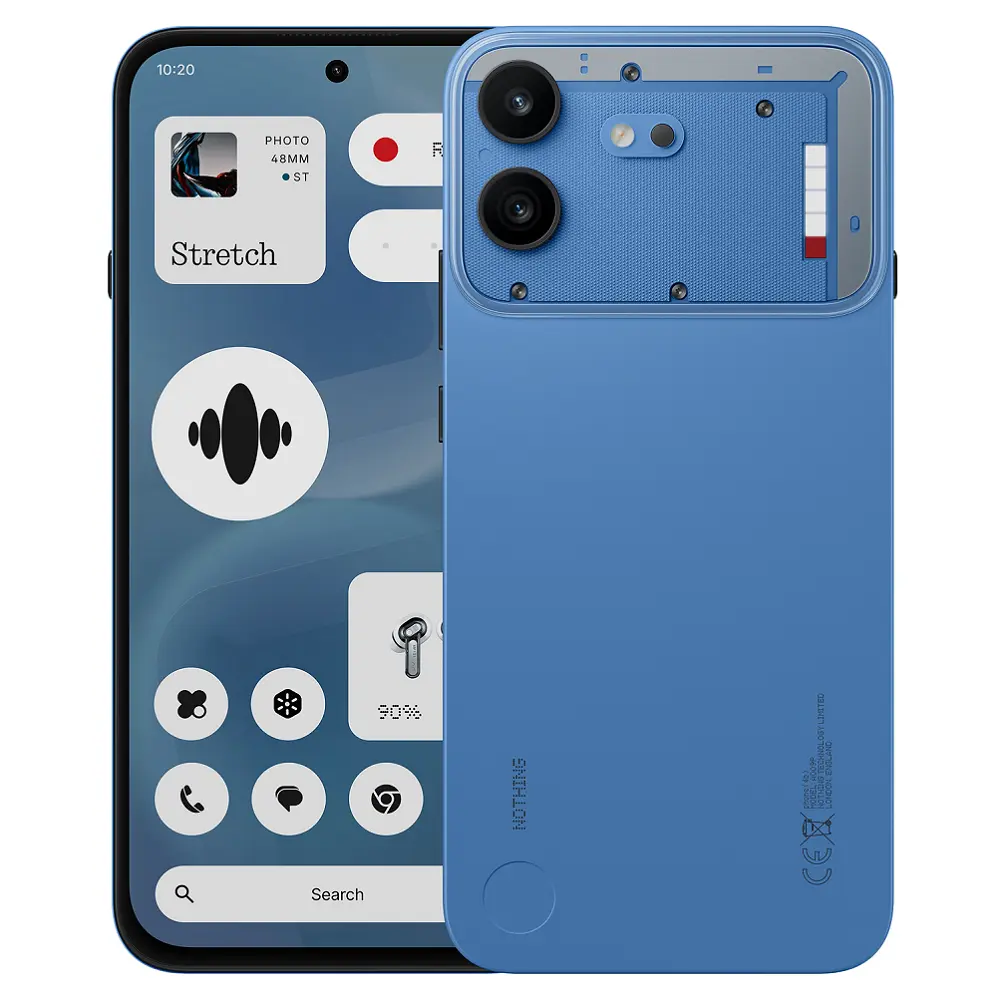
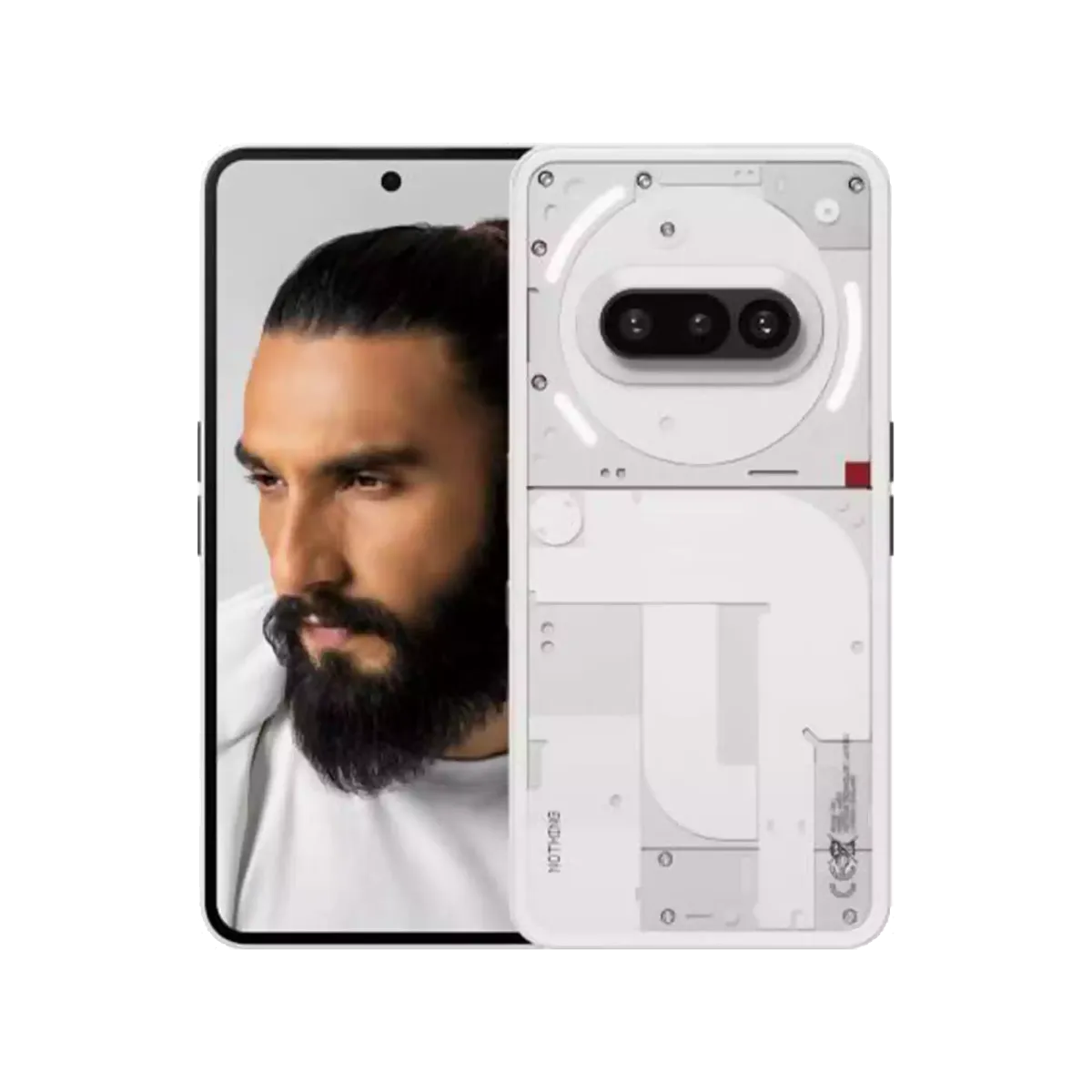
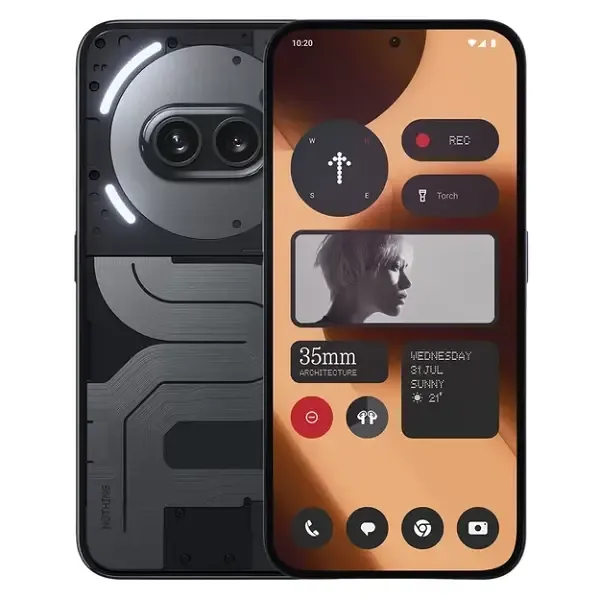
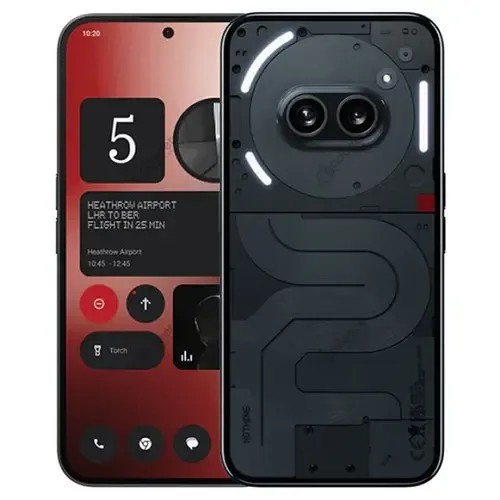
The Nothing Phone (2) presents a distinctive design with its glass front and back, both protected by Corning Gorilla Glass 5, framed by a durable aluminum build. Its IP54 rating offers protection against dust and splashes, making it reasonably resilient for daily use. The expansive 6.7-inch LTPO OLED display promises a vibrant and smooth visual experience, boasting a 120Hz refresh rate and a peak brightness of 1600 nits. With a resolution of 1080 x 2412 pixels and a high screen-to-body ratio of approximately 87.2%, multimedia consumption on the Nothing Phone (2) should be quite immersive.
Powering the device is a Qualcomm Snapdragon 8+ Gen 1 chipset, paired with up to 12GB of RAM and storage options up to 512GB. This configuration suggests a capable performer, ready for demanding tasks and smooth multitasking. Running on Android 13, upgradable to Android 15 with three major updates, and featuring Nothing OS 3.0, the software experience should be clean and relatively customizable. Performance benchmarks indicate strong scores, suggesting a responsive and fluid user experience for everyday use and gaming.
Camera & Battery
The Nothing Phone (2) features a dual rear camera system, headlined by a 50MP wide-angle lens with optical image stabilization (OIS) and a 50MP ultrawide lens. Video recording capabilities extend to 4K resolution at 30/60fps, further enhanced by gyro-EIS and live HDR. The inclusion of features like panorama and HDR suggests versatility in capturing various scenes. On the front, a 32MP selfie camera promises detailed self-portraits and video calls at 1080p resolution.
A substantial 4700 mAh battery fuels the Nothing Phone (2), with support for 45W wired charging, 15W wireless charging, and even 5W reverse wireless charging. The specifications claim a full charge in approximately 55 minutes with wired charging and 130 minutes wirelessly. Endurance testing suggests impressive battery life, potentially lasting for extended periods with active use. Snapdragon Sound technology hints at a well-tuned audio experience through the stereo speakers.
Who Should Buy This
The Nothing Phone (2) appears well-suited for users who appreciate a unique design and a smooth, responsive experience. Its combination of a powerful processor, ample RAM and storage, and a vibrant display makes it a compelling choice for those who enjoy multimedia consumption, gaming, and multitasking. Individuals drawn to a clean Android experience with a focus on customization will likely find Nothing OS appealing. However, those prioritizing expandable storage via a microSD card or a traditional 3.5mm headphone jack might consider alternative options.
Pros
- Unique Glyph Interface with customizable LED light strips
- Vibrant LTPO OLED display with 120Hz refresh rate
- Powerful Snapdragon 8+ Gen 1 processor
- Ample RAM and storage options
- Fast wired and wireless charging capabilities
Cons
- No microSD card slot for storage expansion
- Lacks a traditional 3.5mm headphone jack
- IP54 rating offers limited water resistance
- No FM radio functionality
Verdict
The Nothing Phone (2) delivers a compelling package with its striking design, smooth performance, and capable camera system. The Glyph Interface adds a distinctive visual element, while the Snapdragon 8+ Gen 1 ensures a responsive user experience. While the lack of expandable storage and a headphone jack may deter some, the robust battery life and fast charging capabilities make it a practical choice for daily use. Overall, the Nothing Phone (2) represents a strong contender in its class, offering a unique blend of style and substance.
Write a Review
Upgrade Worth It?
Using an older phone?
Compare your current device with Nothing Phone (2) to analyze performance gains and price difference.
Camera Samples
Performance & Features
Estimated average on high settings
Screen-on time (mixed usage)
Based on AI analysis
* These values are calculated automatically by our system and may not be 100% accurate.
Antutu Benchmark
v10* Scores are based on lab tests and may vary by device condition and version.