Available Variants
Full Specifications
Upgrade Worth It?Network
| Technology | No cellular connectivity |
| 2G bands | N/A |
| 3G bands | N/A |
| GPRS | N/A |
| EDGE | N/A |
Launch
| Announced | 2025, November 26 |
| Status | Available. Released 2025, November 26 |
Body
| Weight | 610 g (1.34 lb) |
| Build | Glass front, aluminum frame, aluminum back |
| SIM | No |
| Stylus support | Stylus support |
| Dimensions | 279.8 x 181.7 x 7.5 mm (11.02 x 7.15 x 0.30 in) |
Display
| Type | IPS LCD, 1B colors, 120Hz, Dolby Vision, 600 nits (HBM) |
| Protection | Mohs level 6 |
| Resolution | 1600 x 2560 pixels, 16:10 ratio (~249 ppi density) |
| Size | 12.1 inches, 424.5 cm2 (~83.5% screen-to-body ratio) |
Hardware & Software
| OS | Android 15, HyperOS 2 |
| Chipset | Qualcomm SM7635-AC Snapdragon 7s Gen 4 (4 nm) |
| CPU | Octa-core (1x2.7 GHz Cortex-A720 & 3x2.4 GHz Cortex-A720 & 4x1.8 GHz Cortex-A520) |
| GPU | Adreno 810 |
Memory & Storage
| Card slot | microSDXC (dedicated slot) |
| Storage Type | UFS 2.2 |
| Internal | 256GB 8GB RAM |
Main Camera
| Single | 8 MP, f/2.0, (wide), 1/4.0", 1.12µm |
| Video | 1080p@30fps |
| Features | Color spectrum sensor, LED flash, HDR |
Selfie Camera
| Single | 8 MP, f/2.3, (wide), 1/4.0", 1.12µm |
| Video | 1080p@30fps |
Sound
| Loudspeaker | Yes, with stereo speakers, Dolby Atmos (4 speakers) |
| Audio Quality | 24-bit/192kHz Hi-Res audio |
| 3.5mm jack | Yes |
Connectivity
| WLAN | Wi-Fi 802.11 a/b/g/n/a/6, dual-band, Wi-Fi Direct |
| USB | USB Type-C 2.0, OTG |
| Radio | No |
| NFC | No |
| Positioning | No |
| Bluetooth | 5.4, A2DP, LE, aptX HD, aptX Adaptive |
Features
| Sensors | Accelerometer, gyro, proximity (accessories only), compass |
Battery
| Charging | 33W wired, PD3.0, QC3+ 27W reverse wired |
| Type | 12000 mAh |
Tests
| Battery | 103:18h endurance, 1000 cycles |
| EU LABEL | Energy Class G |
| Free fall | Class A (208 falls) |
| Repairability | Class C |
Community Discussions
(0)No Discussions Yet
Be the first to ask a question, share a review, or give advice about the Xiaomi Poco Pad M1.
Start a DiscussionFrequently Asked Questions
Description
Overview & Display
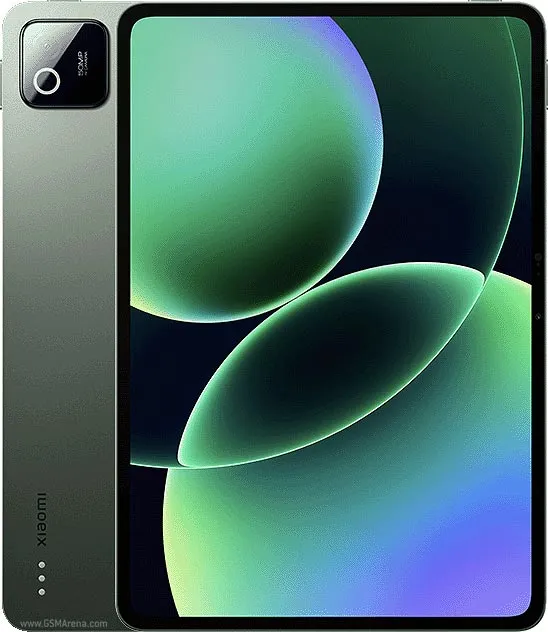
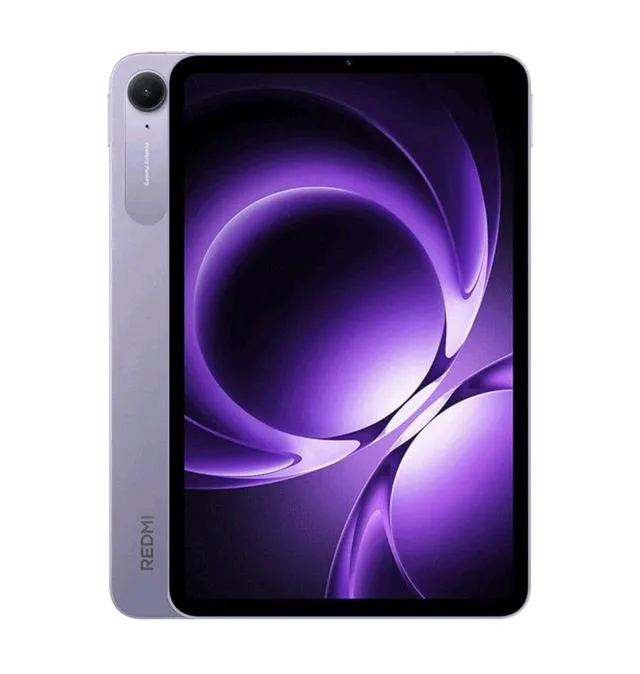
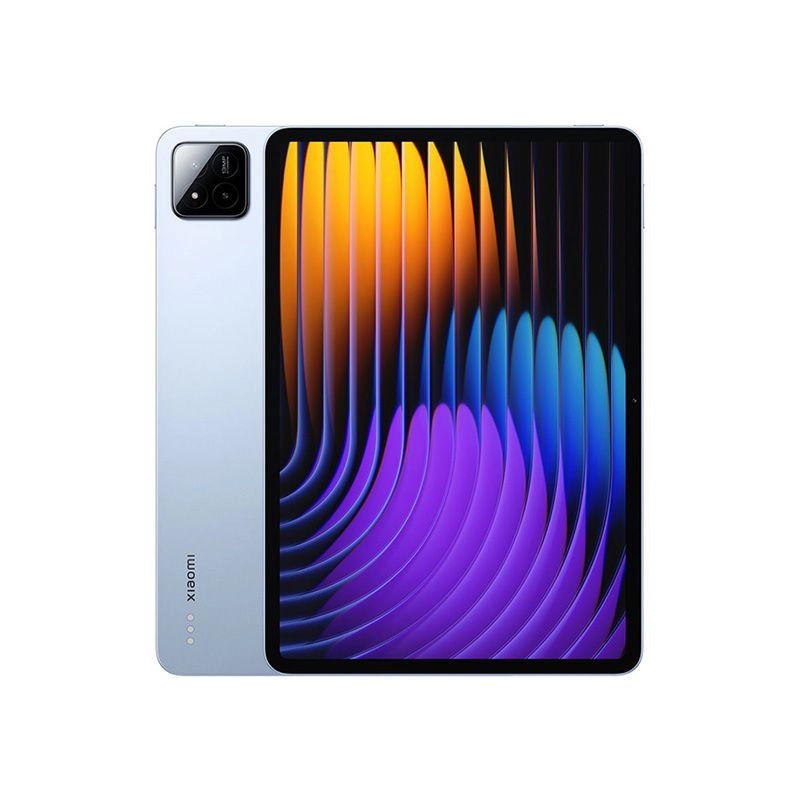
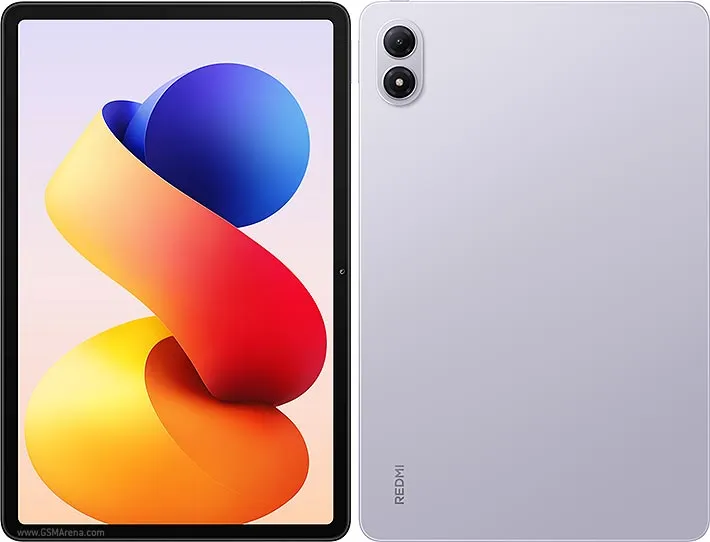
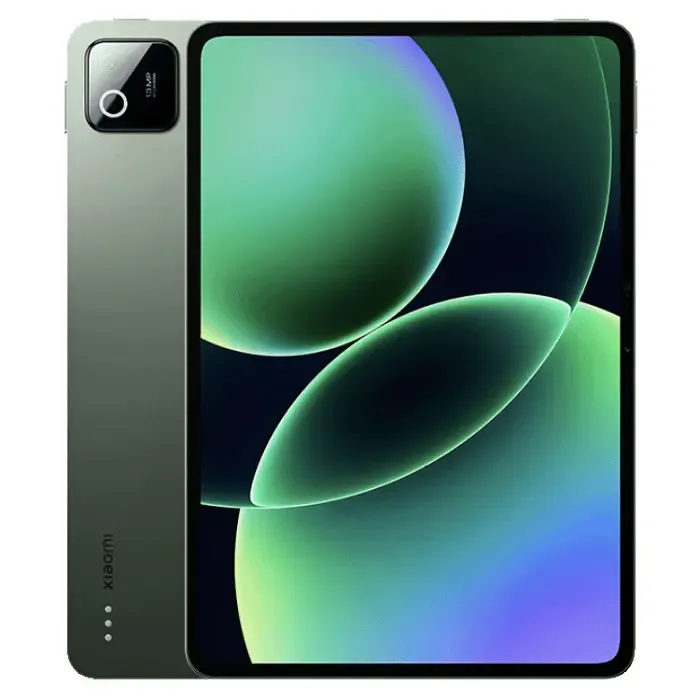
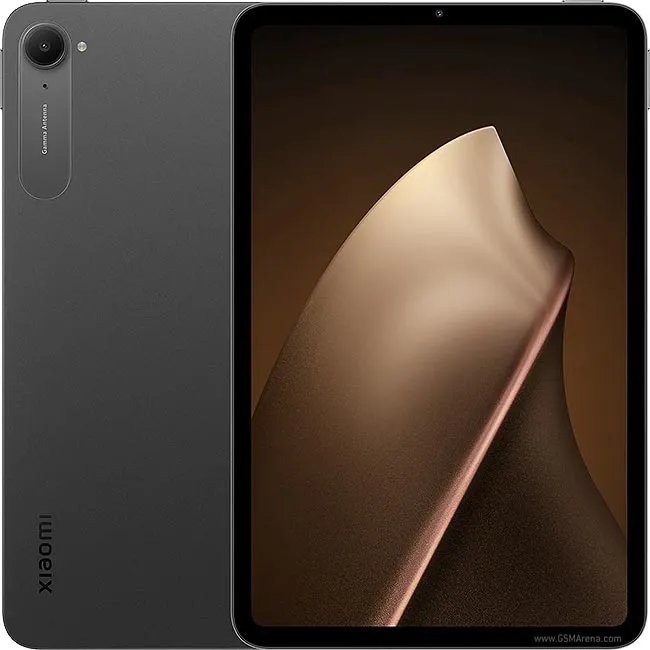
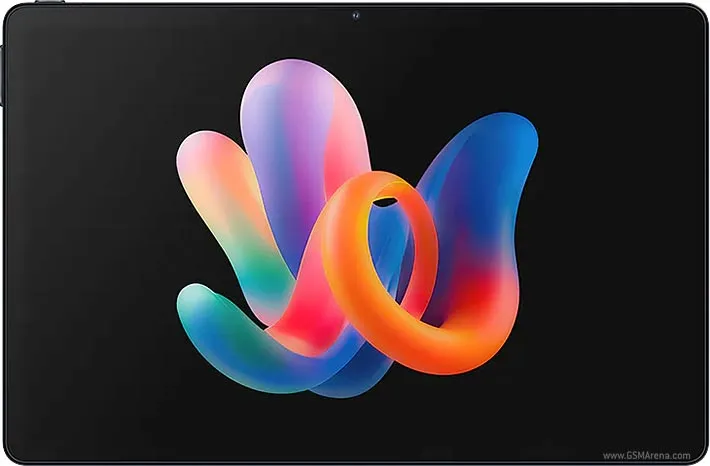
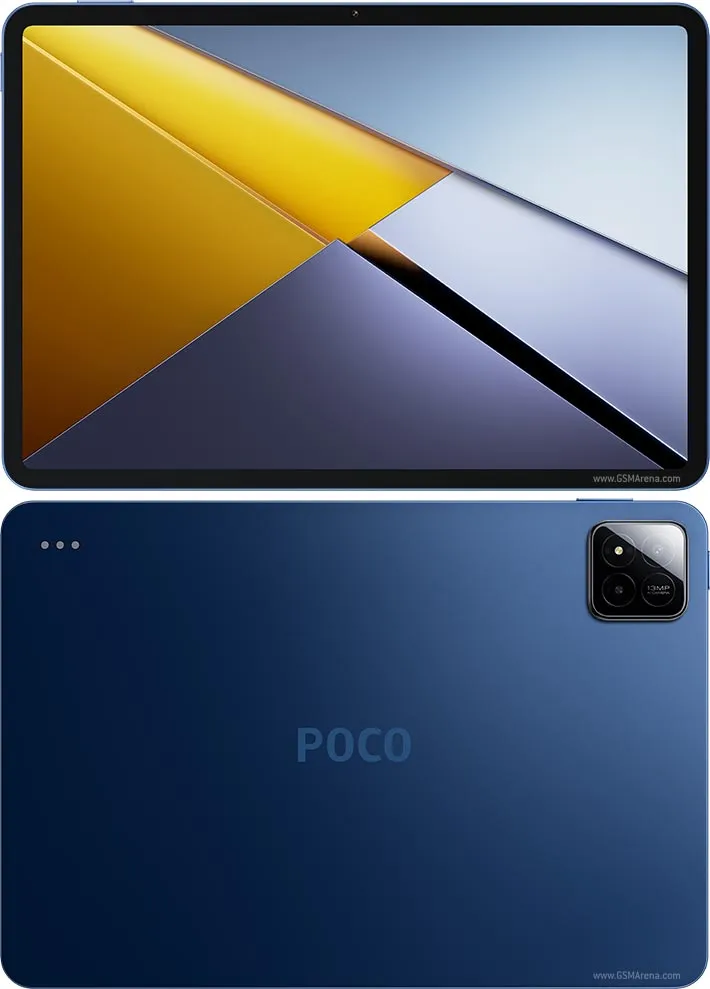
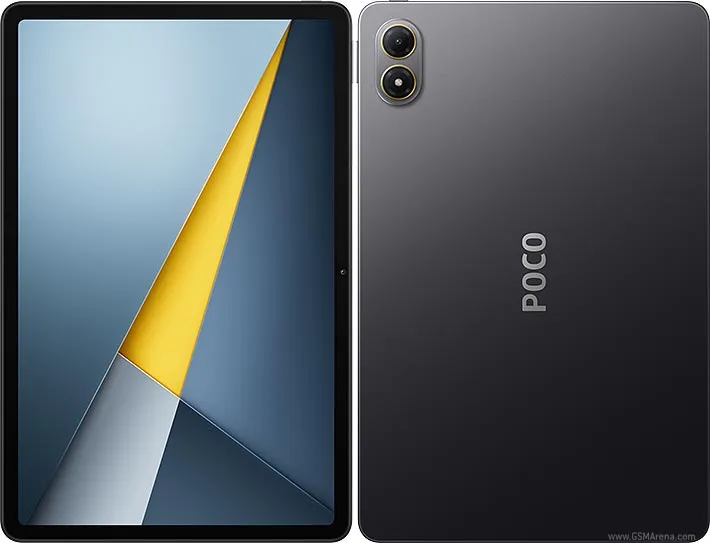
The Xiaomi Poco Pad M1 presents a substantial device with a focus on media consumption. Its build quality is evident with the glass front, aluminum frame, and aluminum back, offering a premium feel despite its considerable 610g weight. The expansive 12.1-inch IPS LCD display immediately commands attention. With a resolution of 2560 x 1600 pixels and a 16:10 aspect ratio, visuals should appear crisp and detailed, enhanced by Dolby Vision support and a peak brightness of 600 nits. The 120Hz refresh rate promises a smooth scrolling and video playback experience, complemented by Mohs level 6 protection. This makes the Xiaomi Poco Pad M1 a strong contender for those prioritizing a large, vibrant screen.
Powering this tablet is a Qualcomm SM7635-AC Snapdragon 7s Gen 4 chipset, paired with 8GB of RAM and 256GB of UFS 2.2 storage. The CPU configuration, featuring a mix of Cortex-A720 and Cortex-A520 cores, suggests a balance between performance and efficiency. Android 15 with HyperOS 2 provides the software foundation, promising a modern user experience. The generous 256GB of internal storage, expandable via microSDXC, should provide ample space for apps, media, and files. Daily multitasking should be handled with ease, allowing for seamless navigation and app switching on the Xiaomi Poco Pad M1.
Camera & Battery
The Xiaomi Poco Pad M1 features an 8MP rear camera with an f/2.0 aperture and color spectrum sensor, capable of recording 1080p video at 30fps. While not designed for high-end photography, the camera should be adequate for capturing casual snapshots and video calls. An LED flash is available to assist in low-light conditions. On the front, an 8MP selfie camera with a similar f/2.3 aperture and 1080p video recording capabilities caters to video conferencing and self-portraits. The specifications suggest a focus on practical camera functionality rather than professional-grade imaging.
Battery life is a significant strength of the Poco Pad M1, boasting a massive 12000 mAh capacity. This should translate to impressive endurance, supported by the specifications indicating 103 hours and 18 minutes of endurance. The inclusion of 33W wired charging with PD3.0 and QC3+ support allows for relatively fast replenishment, while the 27W reverse wired charging capability provides the added convenience of charging other devices. Users can confidently expect all-day usage and beyond, making the Xiaomi Poco Pad M1 ideal for extended periods away from a power outlet.
Who Should Buy This
The Xiaomi Poco Pad M1 is primarily targeted toward users who prioritize a large, high-quality display for media consumption, gaming, or productivity tasks. Its lack of cellular connectivity makes it perfect for those who intend to use it primarily at home or in Wi-Fi environments. Students, frequent travelers, or anyone who enjoys immersive video experiences will find value in its expansive screen and long battery life. However, users needing mobile connectivity or a more compact form factor might prefer alternative devices. Ultimately, the Poco Pad M1 excels as a dedicated entertainment and productivity hub.
Pros
- Large, vibrant 120Hz IPS LCD display
- Massive 12000 mAh battery capacity
- 33W fast wired charging
- Expandable storage with microSDXC
- Stereo speakers with Dolby Atmos
Cons
- No cellular connectivity
- No NFC for contactless payments
- No positioning capabilities
- Limited camera resolution
Verdict
The Xiaomi Poco Pad M1 delivers a compelling experience centered around its exceptional display and impressive battery life. Its robust build and capable processor provide a solid foundation for everyday use, while the inclusion of stereo speakers and Dolby Atmos enhances the multimedia experience. The lack of cellular connectivity and NFC are notable limitations for some users. Overall, the Poco Pad M1 is a strong choice for those seeking a dedicated tablet for entertainment and productivity within a Wi-Fi environment. It's a well-rounded device that prioritizes screen real estate and extended usage time.
Write a Review
Upgrade Worth It?
Using an older phone?
Compare your current device with Xiaomi Poco Pad M1 to analyze performance gains and price difference.
Camera Samples
Performance & Features
Estimated average on high settings
Screen-on time (mixed usage)
Based on AI analysis
* These values are calculated automatically by our system and may not be 100% accurate.