Full Specifications
Upgrade Worth It?Network
| Technology | No cellular connectivity |
| 2G bands | N/A |
| 3G bands | N/A |
| 4G bands | N/A |
| GPRS | No |
| EDGE | No |
Launch
| Announced | 2023, February 07 |
| Status | Available. Released 2023, April 28 |
Body
| Stylus support | Stylus support |
| Weight | 552 g (1.22 lb) |
| Build | Glass front, aluminum back, aluminum frame |
| SIM | No |
| Dimensions | 258 x 189.4 x 6.5 mm (10.16 x 7.46 x 0.26 in) |
Display
| Type | IPS LCD, 1B colors, Dolby Vision, HDR10+, 144Hz, 500 nits (typ) |
| Resolution | 2000 x 2800 pixels (~296 ppi density) |
| Size | 11.61 inches, 411.3 cm2 (~84.2% screen-to-body ratio) |
Hardware & Software
| OS | Android 13, upgradable to Android 15, OxygenOS 15 |
| Chipset | Mediatek Dimensity 9000 (4 nm) |
| CPU | Octa-core (1x3.05 GHz Cortex-X2 & 3x2.85 GHz Cortex-A710 & 4x1.80 GHz Cortex-A510) |
| GPU | Mali-G710 MC10 |
Memory & Storage
| Card slot | No |
| Storage Type | UFS 3.1 |
| Internal | 128GB 8GB RAM, 256GB 12GB RAM |
Main Camera
| Single | 13 MP, f/2.2, 23mm (wide) |
| Video | 4K@30fps, 1080p@30ps, gyro-EIS |
| Features | LED flash |
Selfie Camera
| Single | 8 MP, f/2.3, (wide), 1/4.0", 1.12µm |
| Video | 1080p@30fps |
Sound
| Loudspeaker | Yes, with stereo speakers (4 speakers) |
| 3.5mm jack | No |
Connectivity
| WLAN | Wi-Fi 802.11 a/b/g/n/ac/6, dual-band |
| USB | USB Type-C 2.0, OTG, accessory connector |
| Radio | No |
| NFC | No |
| Positioning | GPS, GLONASS, GALILEO, BDS (B1+B1c) |
| Bluetooth | 5.3, A2DP, LE, aptX HD |
Features
| Sensors | Accelerometer, gyro, compass |
Battery
| Charging | 67W wired |
| Type | Li-Po 9510 mAh |
Tests
| Performance | AnTuTu: 859019 (v9) GeekBench: 3158 (v5.1) GFXBench: 28fps (ES 3.1 onscreen) |
| Display | 1195:1 contrast ratio, 442 nits max brightness (measured) |
| Loudspeaker | -22.5 LUFS (Excellent) |
Community Discussions
(0)No Discussions Yet
Be the first to ask a question, share a review, or give advice about the OnePlus Pad.
Start a DiscussionFrequently Asked Questions
Description
Overview & Display
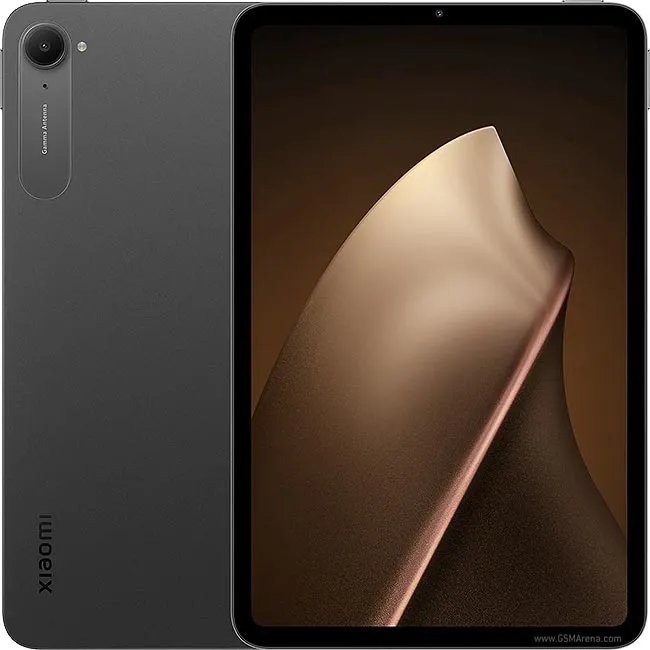
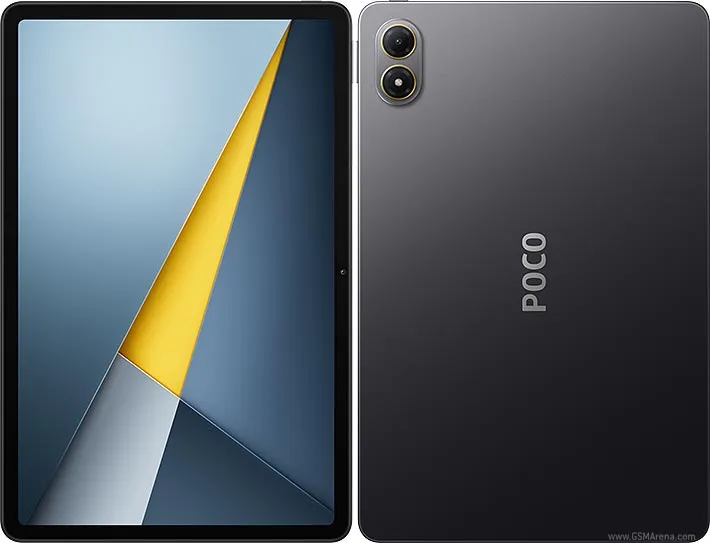
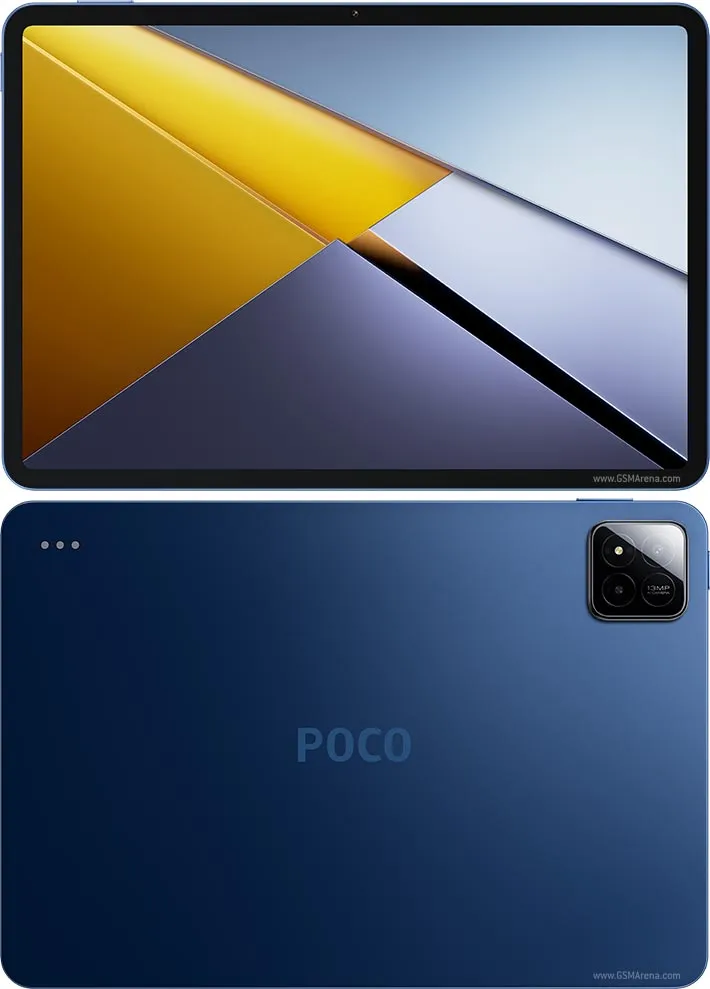
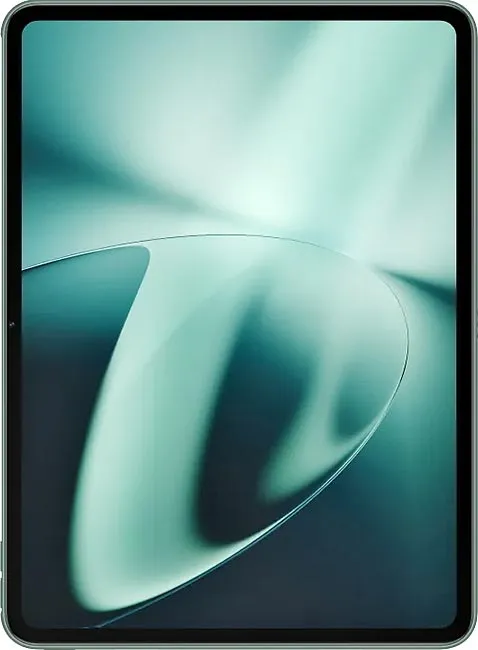
The OnePlus Pad presents a premium build with a glass front, aluminum back, and aluminum frame, offering a solid and sophisticated feel. Weighing in at 552 grams, it certainly has some heft, but the substantial build quality contributes to its overall robustness. The expansive 11.61-inch IPS LCD display delivers a vibrant visual experience, boasting a resolution of 2000 x 2800 pixels and a smooth 144Hz refresh rate. With Dolby Vision and HDR10+ support, multimedia consumption is elevated, promising vivid colors and enhanced contrast. A screen-to-body ratio of approximately 84.2% maximizes the viewing area, making it ideal for movies, games, and creative work.
Powering the OnePlus Pad is a Mediatek Dimensity 9000 chipset, paired with either 8GB or 12GB of RAM and storage options of 128GB or 256GB utilizing fast UFS 3.1 technology. This combination ensures responsive performance for demanding tasks. Running on Android 13 (upgradable to Android 15) with OxygenOS 15, the software experience appears streamlined and intuitive. Performance benchmarks, including an AnTuTu score of 859019, indicate impressive speed and efficiency, suggesting effortless daily multitasking and smooth app navigation. The octa-core CPU, featuring a Cortex-X2 prime core, further contributes to its overall responsiveness.
Camera & Battery
The rear camera system on the OnePlus Pad features a single 13MP wide lens with an f/2.2 aperture. While not designed for professional photography, the camera should capture decent images in well-lit conditions, and the inclusion of gyro-EIS (electronic image stabilization) helps minimize blur in videos. The device is capable of recording video at up to 4K resolution at 30 frames per second, offering a respectable level of detail. A flash is also present to assist in low-light scenarios.
For selfies and video calls, the OnePlus Pad includes an 8MP front-facing camera. The camera's specifications suggest adequate image quality for everyday use. A large 9510 mAh battery promises extended usage throughout the day. Coupled with 67W wired charging, you can expect relatively quick replenishment of the battery. The loudspeaker system, featuring four speakers and boasting an excellent LUFS rating, indicates a high-quality audio experience, enhancing both multimedia and communication.
Who Should Buy This
The OnePlus Pad is an excellent choice for users seeking a large-screen device primarily for entertainment, productivity, and creative tasks. Its expansive display and powerful processor make it well-suited for streaming videos, browsing the web, and running demanding applications. Stylus support adds another layer of functionality, appealing to note-takers and artists. However, the lack of cellular connectivity means it's best suited for use around Wi-Fi. Individuals needing a portable device for on-the-go connectivity might prefer a tablet with cellular capabilities. Ultimately, the OnePlus Pad caters to those prioritizing a premium, Wi-Fi-centric tablet experience.
Pros
- Vibrant 144Hz IPS LCD display
- Powerful Mediatek Dimensity 9000 processor
- Supports stylus input
- Fast 67W wired charging
- Excellent loudspeaker quality
Cons
- No cellular connectivity
- No expandable storage
- Relatively large and heavy design
- No 3.5mm headphone jack
Verdict
The OnePlus Pad delivers a compelling tablet experience centered around its stunning display and potent performance. The robust build quality and immersive audio further enhance its appeal. However, the lack of cellular connectivity and expandable storage are notable limitations for some users. Overall, the OnePlus Pad is a strong contender in the high-end tablet space, particularly for those prioritizing a premium multimedia and productivity device used primarily around Wi-Fi. It's a worthwhile investment for those seeking a large-screen powerhouse.
Write a Review
Upgrade Worth It?
Using an older phone?
Compare your current device with OnePlus Pad to analyze performance gains and price difference.
Camera Samples
Performance & Features
Estimated average on high settings
Screen-on time (mixed usage)
Based on AI analysis
* These values are calculated automatically by our system and may not be 100% accurate.
Antutu Benchmark
v9* Scores are based on lab tests and may vary by device condition and version.