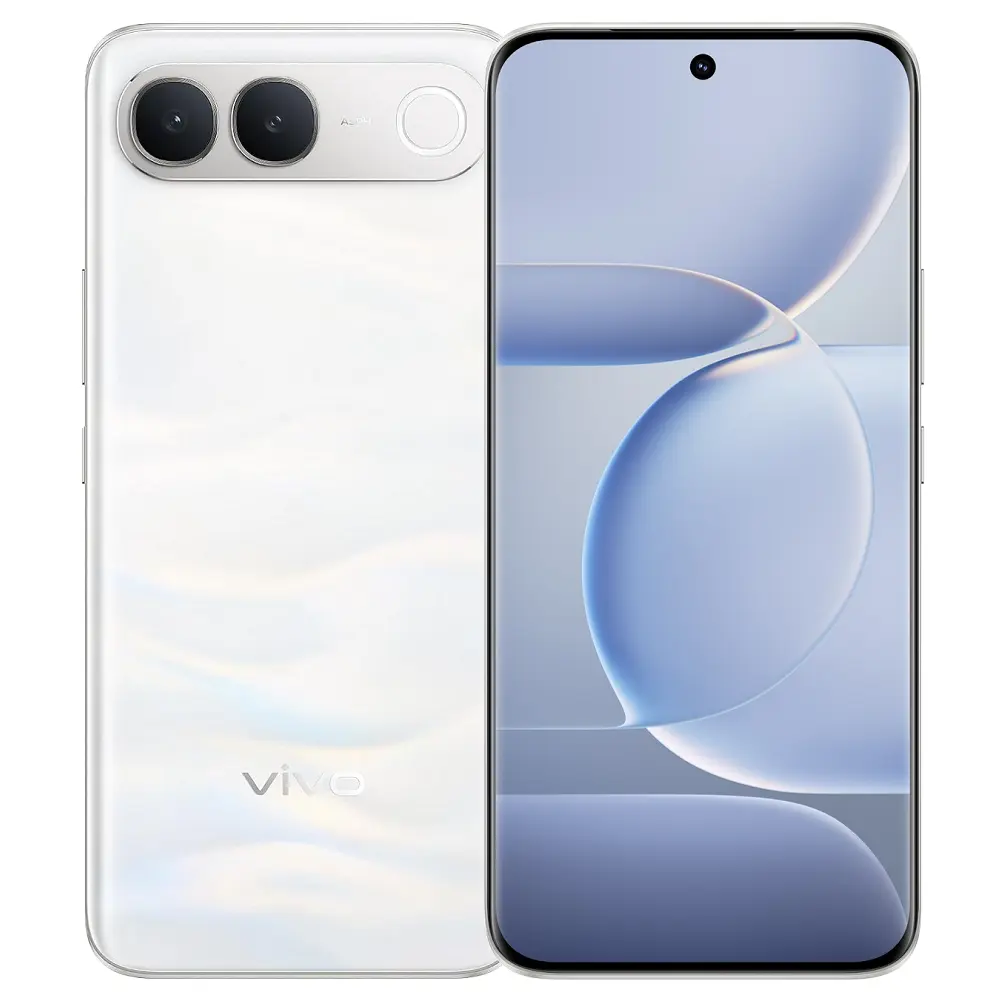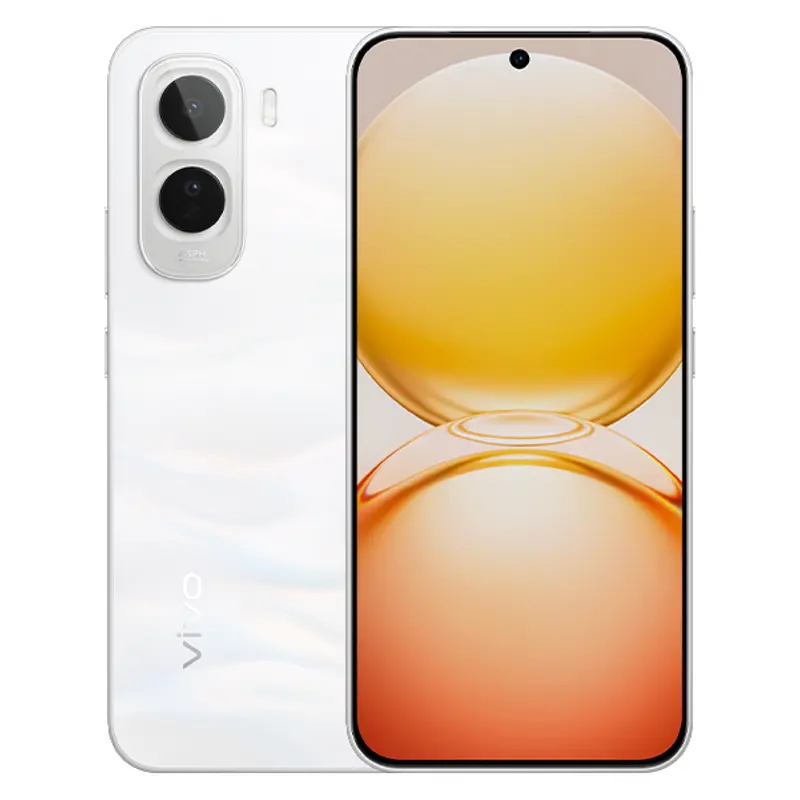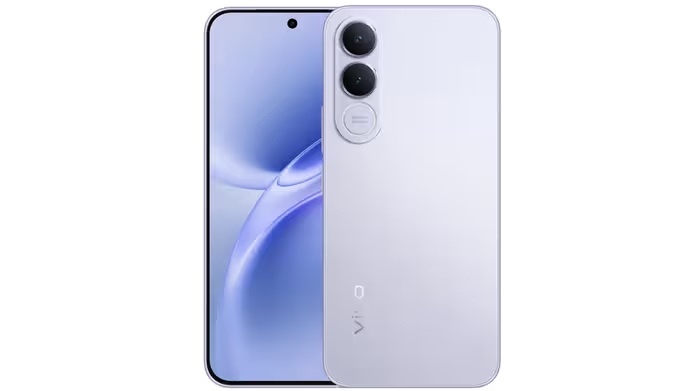

Available Variants
Best For You
See how well this phone fits different types of users.
Full Specifications
Upgrade Worth It?Network
| Technology | GSM / HSPA / LTE / 5G |
| 2G bands | GSM 850 / 900 / 1800 / 1900 |
| 3G bands | HSDPA 800 / 850 / 900 / 1700(AWS) / 1900 / 2100 |
| 4G bands | 1, 2, 3, 4, 5, 7, 8, 12, 17, 18, 19, 20, 26, 28, 38, 39, 40, 41, 42, 66 |
| 5G bands | 1, 3, 5, 7, 8, 20, 26, 28, 38, 40, 41, 66, 77, 78 SA/NSA |
| Speed | HSPA, LTE, 5G |
Launch
| Announced | 2025, August 12 |
| Status | Available. Released 2025, August 19 |
Body
| Dimensions | 163.5 x 77 x 7.5 mm or 7.8 mm |
| Weight | 192 g or 201 g (6.77 oz) |
| Build | Glass front, plastic frame, plastic back or glass back |
| SIM | Nano-SIM + Nano-SIM |
| Protection | IP68/IP69 dust tight and water resistant (high pressure water jets; immersible up to 1.5m for 120 min) |
Display
| Type | AMOLED, 1B colors, HDR10+, 120Hz, 1500 nits (HBM), 5000 nits (peak) |
| Size | 6.77 inches, 110.9 cm2 (~88.1% screen-to-body ratio) |
| Resolution | 1080 x 2392 pixels (~388 ppi density) |
| Protection | Schott Xensation Core |
Hardware & Software
| OS | Android 15, up to 4 major Android upgrades, Funtouch 15 |
| Chipset | Qualcomm SM7750-AB Snapdragon 7 Gen 4 (4 nm) |
| CPU | Octa-core (1x2.8 GHz Cortex-720 & 4x2.4 GHz Cortex-720 & 3x1.8 GHz Cortex-520) |
| GPU | Adreno 722 |
Memory & Storage
| Card slot | No |
| Internal | 128GB 8GB RAM, 256GB 8GB RAM, 256GB 12GB RAM, 512GB 12GB RAM, 512GB 16GB RAM |
| Storage Type | UFS 2.2 |
Main Camera
| Triple | 50 MP, f/1.9, 23mm (wide), 1/1.56", 1.0µm, PDAF, OIS 50 MP, f/2.7, 73mm (periscope telephoto), 1/1.95", 0.8µm, PDAF, OIS, 3x optical zoom 8 MP, f/2.0, 15mm, 120˚ (ultrawide) |
| Features | Zeiss optics, Ring-LED flash, panorama, HDR |
| Video | 4K@30fps, 1080p@30/60fps, gyro-EIS, OIS |
Selfie Camera
| Single | 50 MP, f/2.2, 21mm (wide), 1/2.76", 0.64µm, AF |
| Features | Zeiss optics, HDR |
| Video | 4K@30fps, 1080p@30/60fps |
Sound
| Loudspeaker | Yes, with stereo speakers |
| 3.5mm jack | No |
Connectivity
| WLAN | Wi-Fi 802.11 a/b/g/n/ac/6, dual-band |
| Bluetooth | 5.4, A2DP, LE |
| Positioning | GPS, GALILEO, GLONASS, QZSS, BDS, NavIC |
| NFC | Yes |
| Infrared port | Yes |
| Radio | No |
| USB | USB Type-C 2.0, OTG |
Features
| Sensors | Fingerprint (under display, optical), accelerometer, gyro, compass |
| Virtual Proximity Sensing | Virtual proximity sensing |
Battery
| Type | Si/C Li-Ion 6500 mAh |
| Charging | 90W wired, PD Reverse wired Bypass charging |
Tests
| Performance | AnTuTu: 1009011 (v10) GeekBench: 3568 (v6) 3DMark: 1795 (Wild Life Extreme) |
| Display | 1456 nits max brightness (measured) |
| Loudspeaker | -24.7 LUFS (Very good) |
| Battery | Active use score 15:52h |
Community Discussions
(0)No Discussions Yet
Be the first to ask a question, share a review, or give advice about the vivo V60.
Start a DiscussionFrequently Asked Questions
Description
Overview & Display
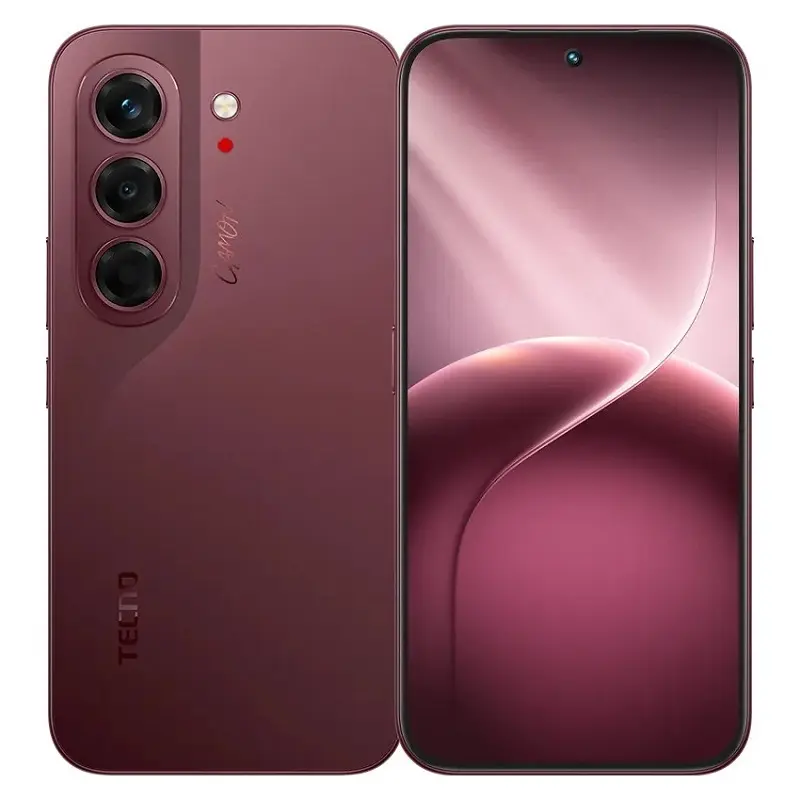
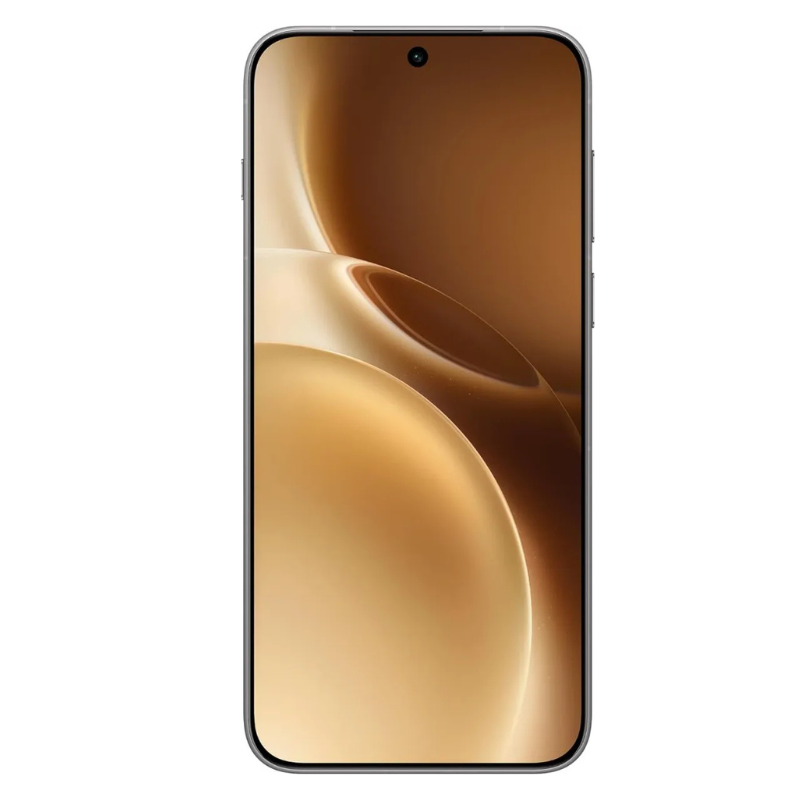
The Vivo V60 combines a slim profile with a glass front, a plastic frame, and either a plastic or glass back, depending on the configuration. Its IP68/IP69 rating provides dust-tight protection and resistance to high-pressure water jets, with immersion support up to 1.5 metres for 120 minutes. The 6.77-inch AMOLED display is a strong multimedia feature, offering 1 billion colours, HDR10+, and a 120Hz refresh rate. With a measured peak brightness of 1456 nits, the screen is equipped for bright viewing conditions, while Schott Xensation Core adds display protection. Stereo speakers further support videos, games, and music, although wired headphone users will need a wireless or USB-C alternative.
Performance comes from the four-nanometre Snapdragon 7 Gen 4, paired with the Adreno 722 GPU. Its benchmark results include an AnTuTu score of 1,009,011 and a Geekbench 6 score of 3568, indicating capable performance for everyday apps and demanding workloads. Memory options range from 8GB to 16GB RAM, while storage spans 128GB to 512GB. The UFS 2.2 storage is fixed because there is no microSD slot. Android 15 with Funtouch 15 and support for up to four major Android upgrades gives the Vivo V60 a current software foundation. Multiple RAM and storage configurations also make it suitable for multitasking and long-term app use.
Camera & Battery
The Vivo V60 uses a versatile triple rear camera system led by a 50MP wide camera with PDAF and OIS. It is joined by a 50MP periscope telephoto camera with OIS, PDAF, and 3x optical zoom, plus an 8MP 120-degree ultrawide camera. Zeiss optics, HDR, panorama, and a Ring-LED flash expand the available shooting options. The main and telephoto cameras include optical stabilisation, while video recording reaches 4K at 30 frames per second. The phone also supports 1080p recording at 30 or 60fps, with gyro-EIS available for compatible rear-camera video.
Selfies are handled by a 50MP autofocus front camera with Zeiss optics and HDR, and it can record 4K video at 30fps or 1080p footage at up to 60fps. Power comes from a substantial 6500mAh silicon-carbon lithium-ion battery. In testing, the phone achieved a 15-hour, 52-minute active-use score, supporting extended daily use before charging is needed. When power runs low, 90W wired charging and USB Power Delivery provide a fast charging option. Reverse wired charging, bypass charging, and USB OTG add flexibility for compatible accessories and devices.
Who Should Buy This
The Vivo V60 is a good fit for users who want a large, bright AMOLED display, strong battery capacity, versatile cameras, and dependable 5G connectivity in one device. It suits people who regularly stream content, switch between multiple apps, record high-resolution video, or need substantial storage and RAM options. The 3x optical telephoto camera and Zeiss optics will appeal to users who value flexible photography features, while IP68/IP69 protection adds reassurance for demanding environments. Buyers who require expandable storage, a 3.5mm headphone port, FM radio, or faster USB transfer capabilities may prefer a different phone. The various memory configurations also let buyers choose a model aligned with their multitasking needs.
Pros
- Bright 120Hz AMOLED display with HDR10+ support
- Triple camera system includes 3x optical telephoto zoom
- Large 6500mAh battery with 90W wired charging
- IP68/IP69 dust and water resistance
- Up to 16GB RAM and 512GB storage
Cons
- No microSD card slot
- No 3.5mm headphone jack
- USB-C connectivity is limited to USB 2.0
- No FM radio
Verdict
The Vivo V60 offers a well-rounded smartphone experience built around its bright 120Hz AMOLED display, capable Snapdragon 7 Gen 4 platform, flexible camera hardware, and large battery. Its 3x optical zoom, 90W charging, stereo speakers, and IP68/IP69 protection strengthen its everyday appeal. However, the lack of expandable storage, a headphone jack, and faster USB connectivity may matter to some users. For buyers prioritising display quality, battery endurance, photography flexibility, and modern 5G performance, the Vivo V60 is a strong choice.
Write a Review
Upgrade Worth It?
Using an older phone?
Compare your current device with vivo V60 to analyze performance gains and price difference.
Camera Samples
Performance & Features
Estimated average on high settings
Screen-on time (mixed usage)
Based on AI analysis
* These values are calculated automatically by our system and may not be 100% accurate.
Antutu Benchmark
v10* Scores are based on lab tests and may vary by device condition and version.