
Available Variants
Best For You
See how well this phone fits different types of users.
Full Specifications
Upgrade Worth It?Network
| Technology | GSM / HSPA / LTE / 5G |
| 2G bands | GSM 850 / 900 / 1800 / 1900 |
| 3G bands | HSDPA 850 / 900 / 1700(AWS) / 1900 / 2100 |
| 4G bands | 1, 2, 3, 4, 5, 7, 8, 12, 17, 18, 19, 20, 26, 28, 38, 39, 40, 41, 42, 66 |
| 5G bands | 1, 2, 3, 5, 7, 8, 20, 26, 28, 38, 40, 41, 66, 77, 78 SA/NSA |
| Speed | HSPA, LTE, 5G |
Launch
| Announced | 2025, February 17 |
| Status | Available. Released 2025, February 25 |
Body
| Dimensions | 163.3 x 76.7 x 7.4 / 7.6 / 7.7 mm |
| Weight | 189 g or 199 g (6.67 oz) |
| Build | Glass front, glass back or plastic back |
| SIM | Nano-SIM + Nano-SIM |
| Protection | IP68/IP69 dust tight and water resistant (high pressure water jets; immersible up to 1.5m for 30 min) |
Display
| Type | AMOLED, 1B colors, HDR10+, 120Hz, 3840Hz PWM, 1300 nits (HBM), 4500 nits (peak) |
| Size | 6.77 inches, 110.9 cm2 (~88.5% screen-to-body ratio) |
| Resolution | 1080 x 2392 pixels (~388 ppi density) |
| Protection | Diamond Shield Glass, Mohs level 4 |
Hardware & Software
| OS | Android 15, up to 3 major Android upgrades, Funtouch 15 |
| Chipset | Qualcomm SM7550-AB Snapdragon 7 Gen 3 (4 nm) |
| CPU | Octa-core (1x2.63 GHz Cortex-A715 & 3x2.4 GHz Cortex-A715 & 4x1.8 GHz Cortex-A510) |
| GPU | Adreno 720 |
Memory & Storage
| Card slot | No |
| Internal | 128GB 8GB RAM, 256GB 8GB RAM, 256GB 12GB RAM, 512GB 12GB RAM |
| Storage Type | UFS 2.2 |
Main Camera
| Dual | 50 MP, f/1.9, 23mm (wide), 1/1.55", 1.0µm, PDAF, OIS 50 MP, f/2.0, 15mm, 119˚ (ultrawide), 1/2.76", 0.64µm, AF |
| Features | Color spectrum sensor, Zeiss optics, Ring-LED flash, panorama, HDR |
| Video | 4K@30fps, 1080p@30fps, gyro-EIS, OIS |
Selfie Camera
| Single | 50 MP, f/2.0, 21mm (wide), 1/2.76", 0.64µm, AF |
| Features | Zeiss optics, HDR |
| Video | 4K@30fps, 1080p@30fps |
Sound
| Loudspeaker | Yes, with stereo speakers |
| 3.5mm jack | No |
Connectivity
| WLAN | Wi-Fi 802.11 a/b/g/n/ac/6, dual-band |
| Bluetooth | 5.4, A2DP, LE |
| Positioning | GPS, GALILEO, GLONASS, QZSS, BDS, NavIC |
| NFC | Yes (market/region dependent) |
| Radio | No |
| USB | USB Type-C 2.0, OTG |
Features
| Sensors | Fingerprint (under display, optical), accelerometer, gyro, proximity, compass |
Battery
| Type | Si/C Li-Ion 6000 mAh |
| Charging | 90W wired, PD Reverse wired |
Tests
| Performance | AnTuTu: 833862 (v10) GeekBench: 3210 (v6) 3DMark: 1450 (Wild Life Extreme) |
| Display | 1274 nits max brightness (measured) |
| Loudspeaker | -25.1 LUFS (Very good) |
| Battery | Active use score 15:20h |
| EU LABEL | Energy Class B Battery 52:45h endurance, 800 cycles Free fall Class C (90 falls) Repairability Class B |
Community Discussions
(0)No Discussions Yet
Be the first to ask a question, share a review, or give advice about the vivo V50.
Start a DiscussionFrequently Asked Questions
Description
Overview & Display
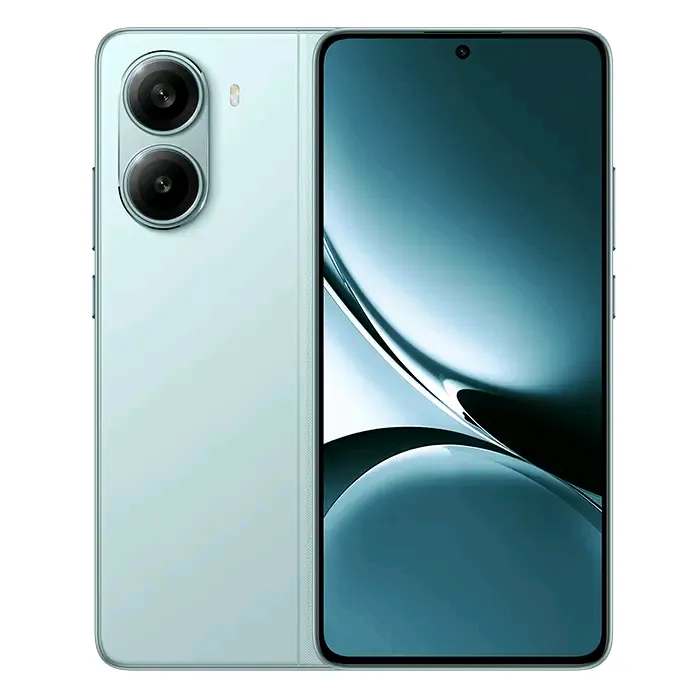
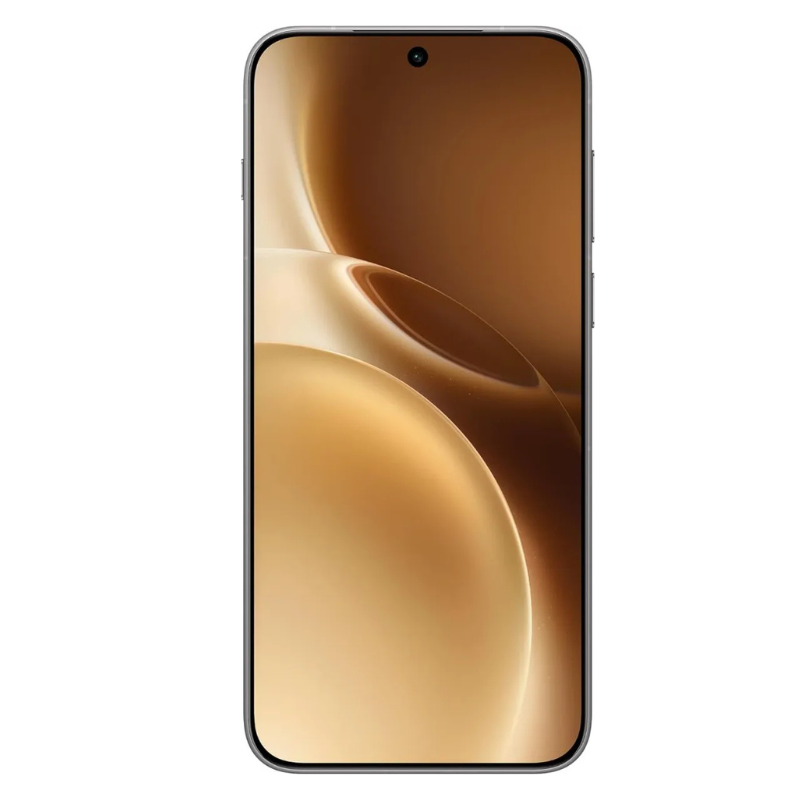
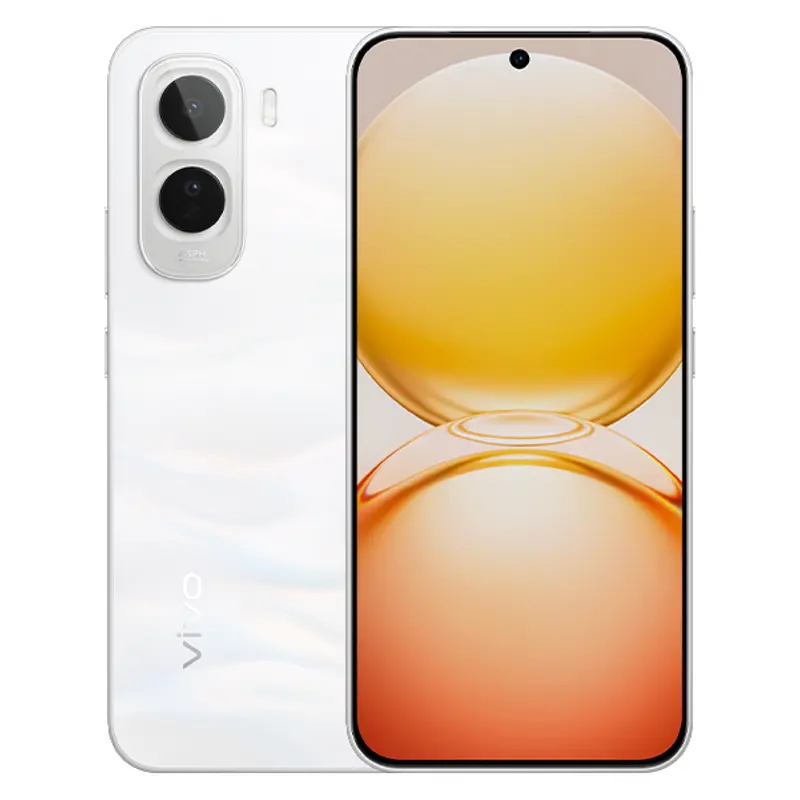
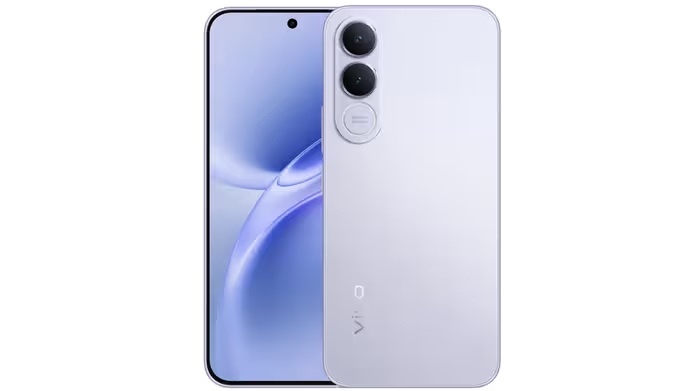
Vivo V50 combines a slim profile with a choice of glass or plastic rear construction, depending on the version, while its glass front adds a refined feel. At 189 or 199 grams, it remains reasonably manageable for a large-screen phone. The IP68/IP69 rating provides dust-tight protection and resistance to high-pressure water jets, with immersion up to 1.5 metres for 30 minutes. Its 6.77-inch AMOLED display is particularly well equipped, offering 1B colors, HDR10+, a 120Hz refresh rate, and measured brightness of 1274 nits. Text, photos, and video should look crisp at 1080 x 2392 resolution, while stereo speakers enhance movie and gaming playback. Diamond Shield Glass and 3840Hz PWM further support comfortable everyday viewing.
Power comes from the Snapdragon 7 Gen 3, built on a 4nm process and paired with an Adreno 720 GPU. The listed AnTuTu score of 833862 and Geekbench 6 result of 3210 indicate capable performance for everyday apps, multitasking, and supported games. Memory options range from 8GB to 12GB RAM, while storage spans 128GB to 512GB. UFS 2.2 handles internal storage, although there is no card slot for expansion. Android 15 with Funtouch 15 provides the software foundation, and Vivo promises up to three major Android upgrades. Wi-Fi 6 and Bluetooth 5.4 also help keep daily connectivity current.
Camera & Battery
The Vivo V50 uses a dual rear camera system built around a 50MP wide sensor with optical image stabilisation, phase-detection autofocus, and a bright f/1.9 aperture. A second 50MP ultrawide camera covers a 119-degree field of view and also includes autofocus, making it useful for broader scenes and group compositions. Zeiss optics, a color spectrum sensor, HDR, panorama, and a Ring-LED flash expand the shooting toolkit. Rear video recording reaches 4K at 30 frames per second, with OIS and gyro-EIS available for stabilisation. The 50MP autofocus selfie camera also uses Zeiss optics, supports HDR, and records up to 4K at 30fps.
Battery capacity is a major part of the Vivo V50 experience. Its 6000mAh silicon-carbon lithium-ion battery delivered a 15-hour 20-minute active-use score in testing, while the EU label records 52 hours 45 minutes of endurance. When power runs low, 90W wired charging with PD support is available, and reverse wired charging can supply power to compatible devices. This combination suits users who spend long periods streaming, browsing, photographing, or communicating away from a charger. USB Type-C 2.0 with OTG is included, but there is no 3.5mm headphone jack.
Who Should Buy This
Vivo V50 is well suited to users who want a large, bright AMOLED screen, strong battery endurance, fast wired charging, and versatile 50MP camera hardware in one device. It should appeal to people who regularly stream video, use navigation, take wide-angle photos, record 4K clips, or keep several apps open throughout the day. The durable IP68/IP69 protection is also useful for those seeking added resistance to dust and water exposure. Buyers who require expandable storage, a wired headphone port, FM radio, or faster-than-USB 2.0 file transfers may prefer a different phone. Likewise, users wanting only a compact handset may find its 6.77-inch body too large.
Pros
- Bright 120Hz AMOLED display with HDR10+
- Large 6000mAh battery with 90W charging
- Dual 50MP rear cameras with OIS
- IP68/IP69 dust and water resistance
- Up to 512GB storage and 12GB RAM
Cons
- No microSD card slot for storage expansion
- No 3.5mm headphone jack
- USB Type-C port limited to USB 2.0
- Weight varies up to 199 grams
Verdict
Vivo V50 is a well-rounded 2025 smartphone focused on display quality, battery stamina, charging speed, and flexible camera hardware. Its AMOLED panel, stereo speakers, IP68/IP69 protection, and capable Snapdragon platform create a strong everyday package, while the 50MP rear and selfie cameras add useful recording options. Storage expansion, a headphone jack, and faster USB connectivity are absent, so those limitations matter to specific users. For anyone prioritising endurance, multimedia, photography flexibility, and a modern Android experience, Vivo V50 is a compelling choice.
Write a Review
Upgrade Worth It?
Using an older phone?
Compare your current device with vivo V50 to analyze performance gains and price difference.
Camera Samples
Performance & Features
Estimated average on high settings
Screen-on time (mixed usage)
Based on AI analysis
* These values are calculated automatically by our system and may not be 100% accurate.
Antutu Benchmark
v10* Scores are based on lab tests and may vary by device condition and version.