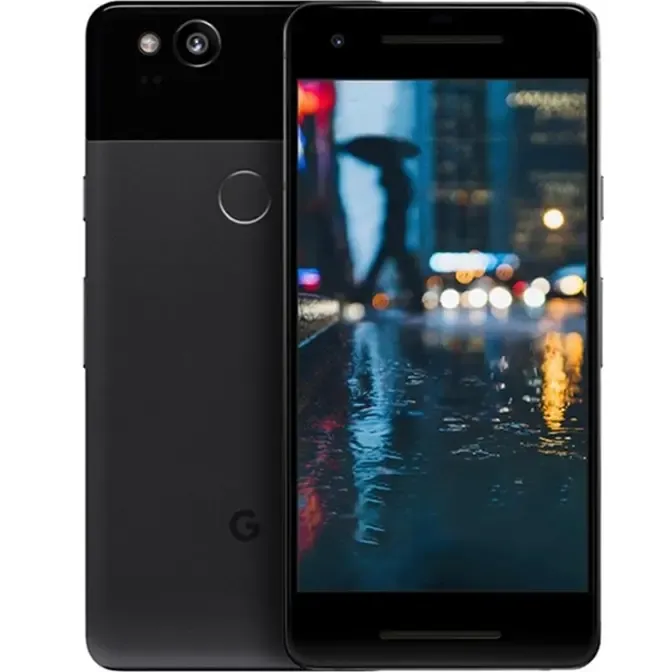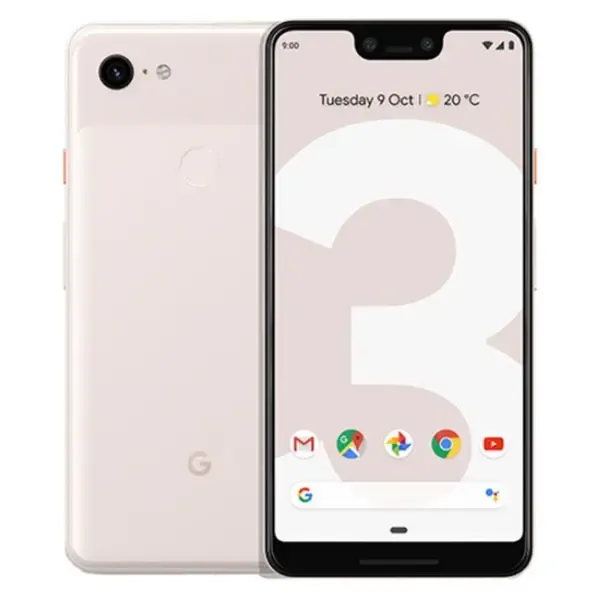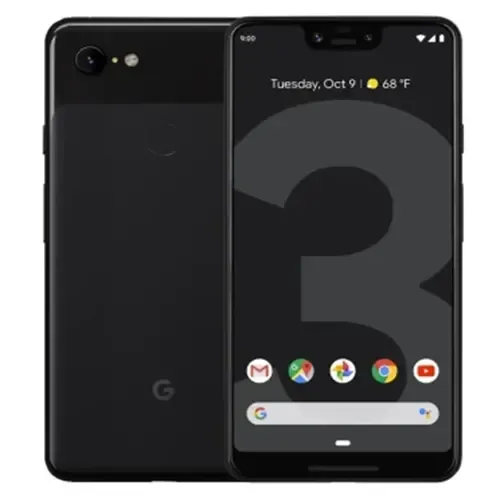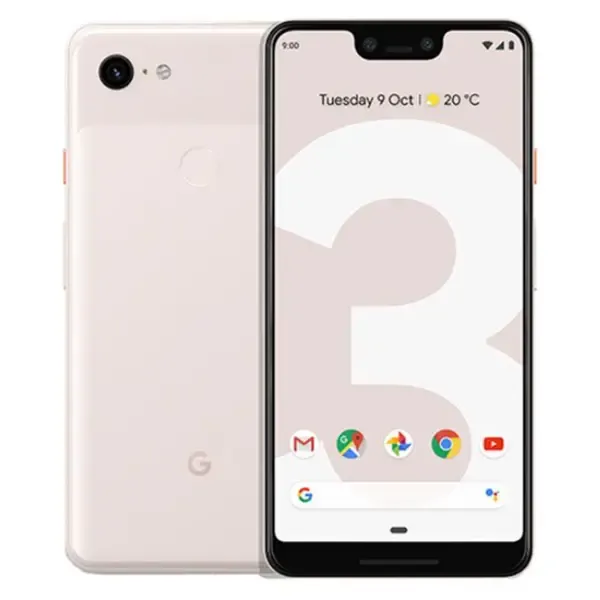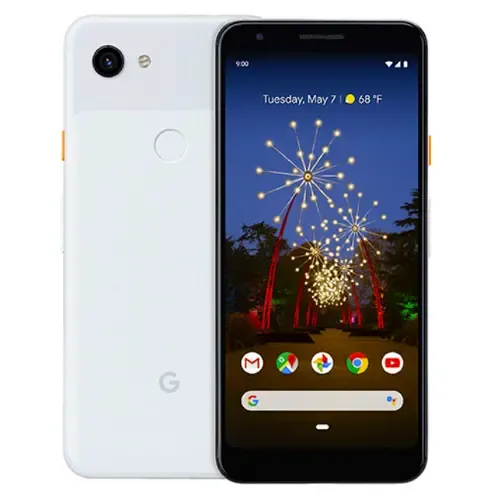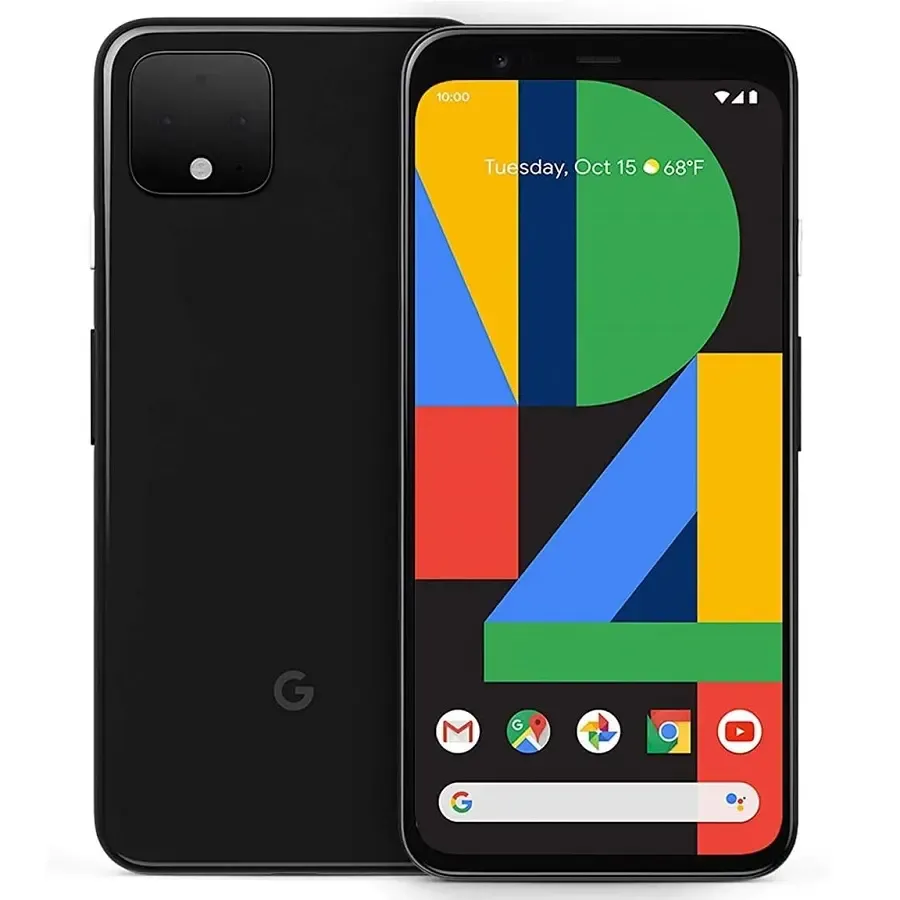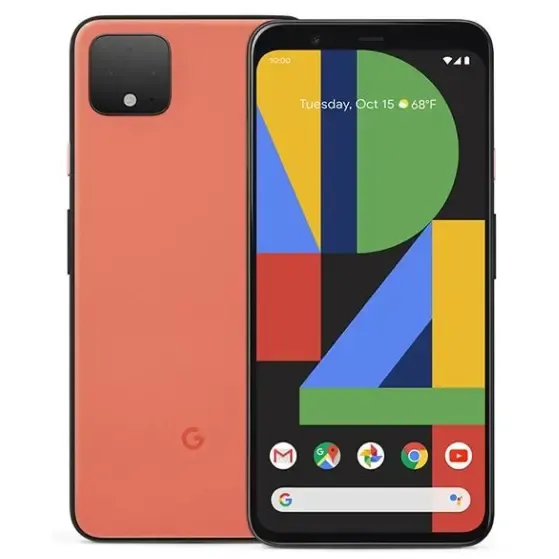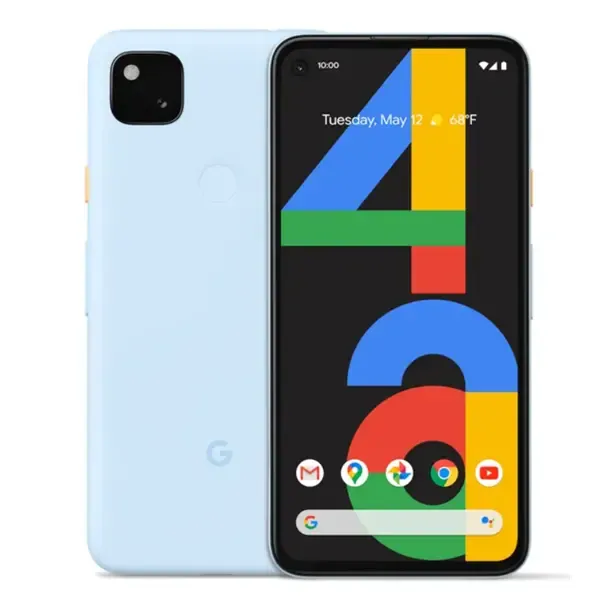
Available Variants
Full Specifications
Network
| Technology | GSM / HSPA / LTE / 5G |
| 2G bands | GSM 850 / 900 / 1800 / 1900 |
| 3G bands | HSDPA 800 / 850 / 900 / 1700(AWS) / 1900 / 2100 |
| Speed | HSPA, LTE, 5G |
| 4G bands | 1, 2, 3, 4, 5, 7, 8, 12, 17, 18, 19, 20, 26, 28, 32, 38, 40, 41, 42, 66 |
| 5G bands | 1, 2, 3, 5, 7, 8, 12, 20, 26, 28, 38, 40, 41, 66, 75, 76, 77, 78 |
Launch
| Announced | 2024, May 07 |
| Status | Available. Released 2024, May 14 |
Body
| Protection | IP67 dust/water resistant (up to 1m for 30 min) |
| SIM | Nano-SIM + eSIM |
| Build | Glass front (Gorilla Glass 3), aluminum frame, plastic back |
| Weight | 188 g (6.63 oz) |
| Dimensions | 152.1 x 72.7 x 8.9 mm (5.99 x 2.86 x 0.35 in) |
Display
| Size | 6.1 inches, 90.3 cm2 (~81.6% screen-to-body ratio) |
| Resolution | 1080 x 2400 pixels, 20:9 ratio (~430 ppi density) |
| Protection | Corning Gorilla Glass 3, Mohs level 5 |
| Type | OLED, HDR, 120Hz, 2000 nits (peak) |
Hardware & Software
| OS | Android 14, upgradable to Android 16, up to 7 major Android upgrades |
| Chipset | Google Tensor G3 (4 nm) |
| CPU | Nona-core (1x3.0 GHz Cortex-X3 & 4x2.45 GHz Cortex-A715 & 4x2.15 GHz Cortex-A510) |
| GPU | Immortalis-G715s MC10 |
Memory & Storage
| Card slot | No |
| Storage Type | UFS 3.1 |
| Internal | 128GB 8GB RAM, 256GB 8GB RAM |
Main Camera
| Video | 4K@30/60fps, 1080p@30/60/120/240fps, OIS |
| Features | Dual-LED flash, Pixel Shift, Ultra HDR, panorama, Best Take |
| Dual | 64 MP (16 MP eff.), f/1.9, 26mm (wide), 1/1.73", 0.8µm, dual pixel PDAF, OIS 13 MP, f/2.2, 120˚ (ultrawide), 1.12µm |
Selfie Camera
| Single | 13 MP, f/2.2, 20mm (ultrawide), 1.12µm |
| Video | 4K@30fps, 1080p@30/60fps |
| Features | HDR, panorama |
Sound
| Loudspeaker | Yes, with stereo speakers |
| 3.5mm jack | No |
Connectivity
| WLAN | Wi-Fi 802.11 a/b/g/n/ac/6e, dual/tri-band (market/region dependent) |
| USB | USB Type-C 3.2 |
| Radio | No |
| NFC | Yes |
| Positioning | GPS, GLONASS, GALILEO, BDS, QZSS, NavIC |
| Bluetooth | 5.3, A2DP, LE |
Features
| Sensors | Fingerprint (under display, optical), accelerometer, gyro, proximity, compass, barometer |
Battery
| Charging | 18W wired, PD3.0 7.5W wireless Bypass charging |
| Type | Li-Po 4492 mAh |
Tests
| Performance | AnTuTu: 1193520 (v10) GeekBench: 4384 (v6) 3DMark: 2427 (Wild Life Extreme) |
| EU LABEL | Energy: Class B Battery: 40:06h endurance, 1000 cycles Free fall: Class A (270 falls) Repairability: Class B |
| Battery | Active use score 11:25h |
| Battery (old) | Endurance rating 83h |
| Loudspeaker | -26.5 LUFS (Good) |
| Display | 1508 nits max brightness (measured) |
Frequently Asked Questions
Description
Overview & Display
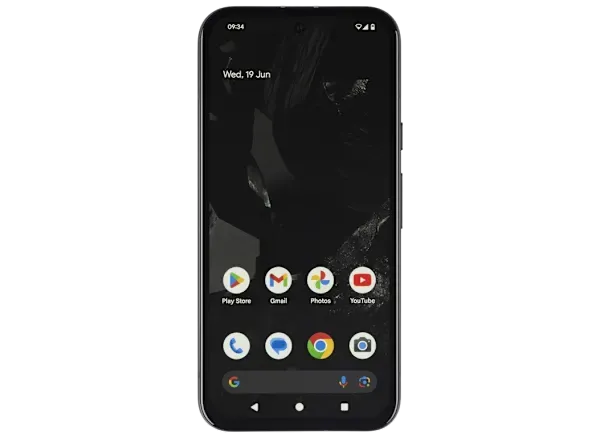
The Google Pixel 8a feels surprisingly premium in hand despite its plastic back, complemented by a sturdy aluminum frame and a Gorilla Glass 3 front. Measuring 152.1 x 72.7 x 8.9 mm and weighing 188 grams, it strikes a great balance between a durable build and comfortable ergonomics. The IP67 rating ensures reliable dust and water resistance, surviving submersion up to a meter for thirty minutes. At the front, a 6.1-inch OLED display dominates the experience, offering a smooth 120Hz refresh rate and an impressive 2000 nits peak brightness. With a 1080 x 2400 resolution, visuals remain crisp at roughly 430 pixels per inch. Stereo speakers provide an immersive multimedia experience, though you will need USB-C or Bluetooth headphones since there is no 3.5mm jack.
Under the hood, the Google Pixel 8a is powered by the 4nm Google Tensor G3 chipset, paired with a nona-core CPU and the Immortalis-G715s MC10 GPU. This combination delivers snappy daily multitasking, effortlessly handling apps with the 8GB of RAM. You can choose between 128GB and 256GB of UFS 3.1 storage, though the lack of a microSD card slot means you should pick your capacity carefully. On the software front, it launches with Android 14 and stands out with a promise of up to seven major Android upgrades, eventually reaching Android 16. This long-term software support ensures the phone remains fresh and secure for years.
Camera & Battery
Photography is a strong suit for the Google Pixel 8a, featuring a 64-megapixel main sensor with optical image stabilization and a 13-megapixel ultrawide lens. The primary camera utilizes features like Pixel Shift, Ultra HDR, and Best Take to enhance your shots. Video recording is equally capable, supporting 4K footage at 30 or 60 frames per second, and slow-motion options up to 240 frames per second in 1080p. For selfies, the 13-megapixel front-facing ultrawide camera captures wide angles and shoots 4K video at 30fps, making it solid for video calls and vlogging.
Keeping the device running is a 4492 mAh battery, which provides an active use score of 11 hours and 25 minutes and an endurance rating of 83 hours. When it comes time to recharge, the phone supports 18W wired charging and 7.5W wireless charging. While these speeds are not the fastest, the inclusion of bypass charging helps preserve battery health during heavy use. In daily usage, the battery comfortably lasts through a full day of mixed tasks, and the energy efficiency class B rating reflects a solid balance between performance and power consumption.
Who Should Buy This
The Google Pixel 8a is an excellent choice for Android enthusiasts who prioritize long-term software support and a clean user experience. With up to seven major Android upgrades, it is perfect for buyers who want a device that lasts for years without feeling outdated. Its compact 6.1-inch display and lightweight build make it ideal for users who prefer manageable, one-handed phones. Photography fans will appreciate the versatile camera features like Best Take and Ultra HDR. However, power users who need massive expandable storage or ultra-fast charging speeds might want to look elsewhere. This phone is best suited for everyday consumers seeking a reliable, durable, and smart mid-range companion.
Pros
- Up to seven major Android OS upgrades
- Bright 120Hz OLED display with 2000 nits
- IP67 dust and water resistance
- Google Tensor G3 chipset ensures smooth performance
- Capable 4K video recording at 60fps
Cons
- No microSD card slot for storage expansion
- Maximum 18W wired charging is quite slow
- Lacks a 3.5mm headphone jack
- Plastic back feels less premium than glass
Verdict
Ultimately, this device delivers a flagship-like software experience in a compact and durable body. Its main strengths lie in the bright OLED display, capable Tensor G3 performance, and an exceptional seven-year software update promise. The cameras perform reliably with excellent 4K video options. However, the slow 18W charging speeds and lack of expandable storage are notable drawbacks. If you value longevity, a clean interface, and a pocket-friendly design, this phone remains a highly recommended choice for everyday use.
Write a Review
Reviews (3)
Camera Samples
Performance & Features
Estimated average on high settings
Screen-on time (mixed usage)
Based on AI analysis
* These values are calculated automatically by our system and may not be 100% accurate.
Antutu Benchmark
v10* Scores are based on lab tests and may vary by device condition and version.