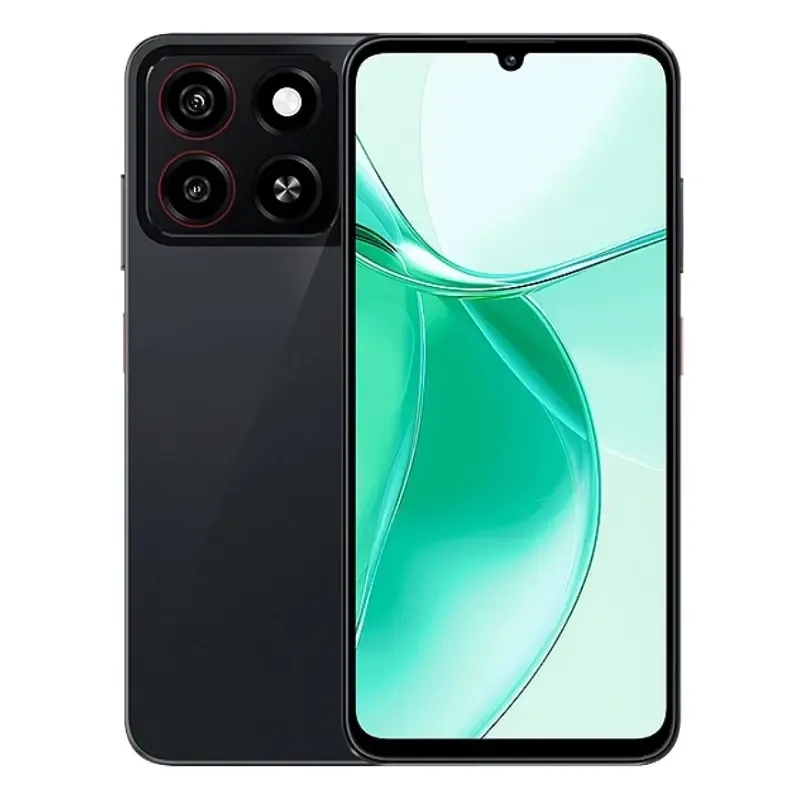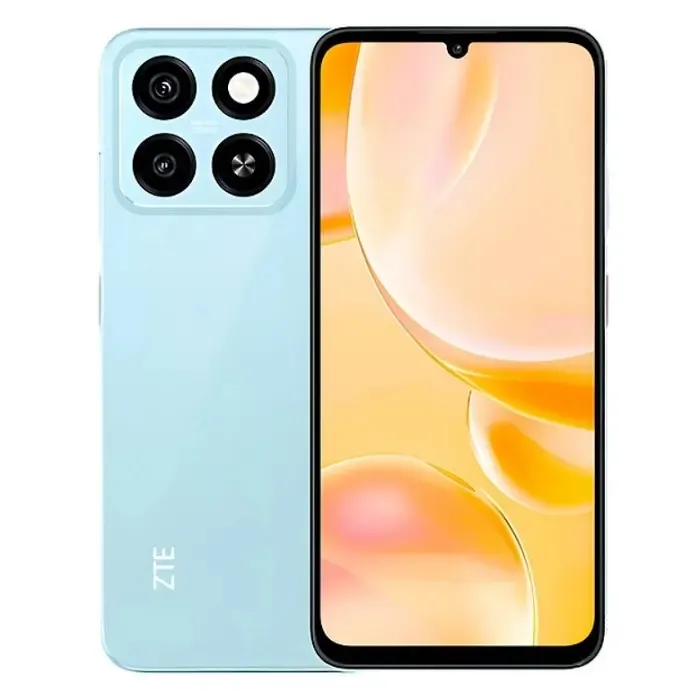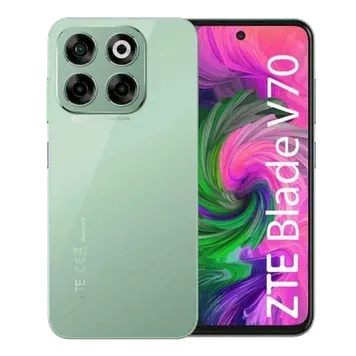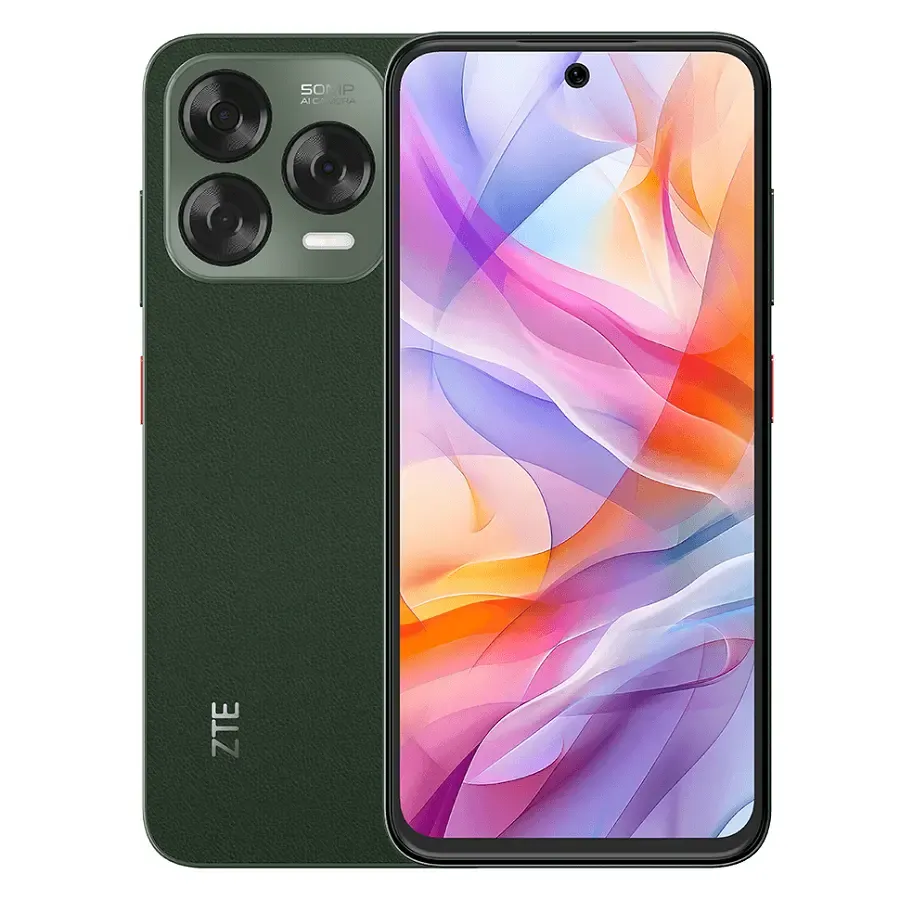
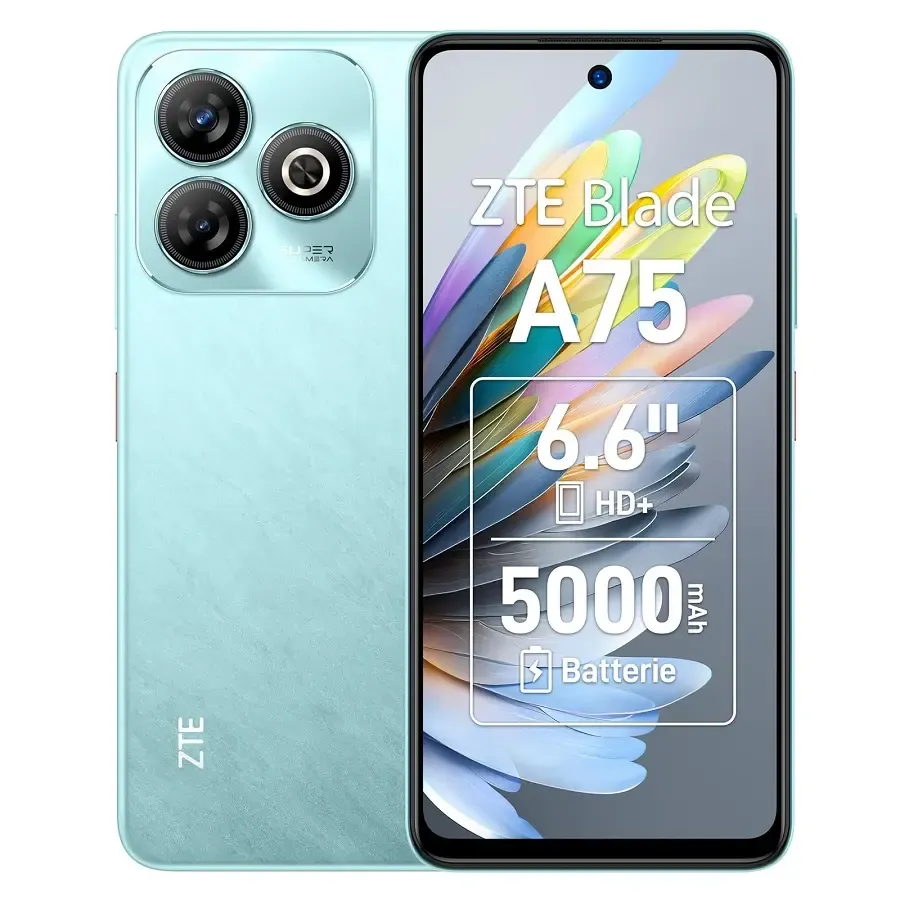
Available Variants
Full Specifications
Upgrade Worth It?Network
| Technology | GSM / HSPA / LTE |
| 2G bands | GSM 850 / 900 / 1800 / 1900 |
| 3G bands | HSDPA 850 / 900 / 1900 / 2100 |
| Speed | HSPA, LTE |
| 4G bands | 1, 3, 5, 7, 8, 20, 28, 38, 40, 41 |
Launch
| Announced | 2024, July 10 |
| Status | Available. Released 2024, July |
Body
| SIM | Nano-SIM + Nano-SIM |
| Weight | 189 g (6.67 oz) |
| Dimensions | 164.1 x 75.8 x 8.6 mm (6.46 x 2.98 x 0.34 in) |
Display
| Size | 6.6 inches, 104.6 cm2 (~84.1% screen-to-body ratio) |
| Resolution | 720 x 1612 pixels, 20:9 ratio (~267 ppi density) |
| Type | IPS LCD, 90Hz |
Hardware & Software
| OS | Android 13 |
| Chipset | Unisoc T606 (12 nm) |
| CPU | Octa-core (2x1.6 GHz Cortex-A75 & 6x1.6 GHz Cortex-A55) |
| GPU | Mali-G57 MP1 |
Memory & Storage
| Card slot | microSDXC (dedicated slot) |
| Storage Type | eMMC 5.1 |
| Internal | 128GB 4GB RAM, 256GB 4GB RAM |
Main Camera
| Single | 50 MP, f/1.8, (wide), PDAF |
| Video | 1080p@30fps |
| Features | LED flash, HDR, panorama |
Selfie Camera
| Single | 8 MP |
| Video | Yes |
Sound
| Loudspeaker | Yes |
| 3.5mm jack | Yes |
Connectivity
| WLAN | Wi-Fi 802.11 a/b/g/n/ac, dual-band |
| USB | USB Type-C 2.0, OTG |
| Radio | FM radio |
| NFC | Yes (market/region dependent) |
| Positioning | GPS, GALILEO, GLONASS |
| Bluetooth | 5.2, A2DP, LE |
Features
| Sensors | Fingerprint (side-mounted), accelerometer |
Battery
| Charging | 22.5W wired |
| Type | 5000 mAh |
Community Discussions
(0)No Discussions Yet
Be the first to ask a question, share a review, or give advice about the ZTE Blade A75 4G.
Start a DiscussionFrequently Asked Questions
Description
Overview & Display
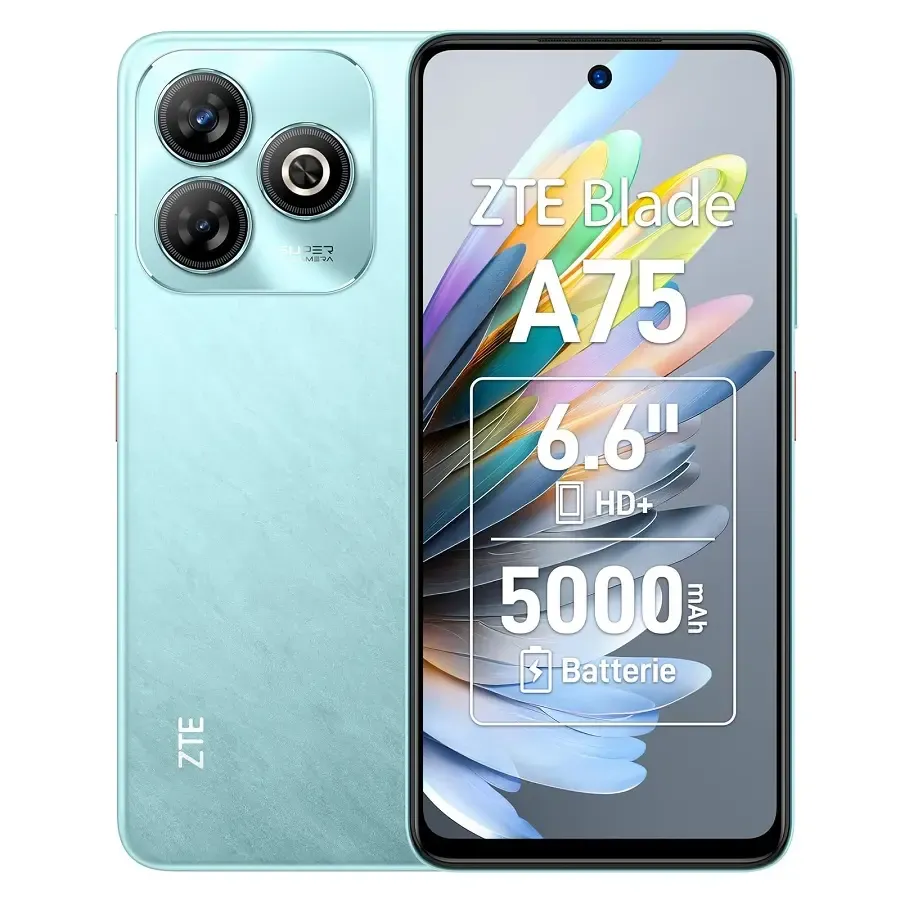
The ZTE Blade A75 4G, launched in 2024, is designed to keep up with your essential everyday routines. It features a spacious 6.6-inch IPS LCD display that gives you plenty of screen real estate for viewing documents, browsing websites, or scrolling through feeds. The screen operates with a smooth 90Hz refresh rate, making animations and navigation feel fluid rather than sluggish. With a resolution of 720 x 1612 pixels, text and images look clear enough for casual viewing and daily communication. The physical dimensions measure 164.1 x 75.8 x 8.6 mm and the phone weighs 189 grams, giving it a balanced weight that sits securely in your hand. Under the hood, the device is powered by an octa-core Unisoc T606 processor, which features two performance cores and six efficiency cores running at 1.6 GHz. Combined with a Mali-G57 MP1 graphics engine, this hardware ensures steady handling of standard tasks. It easily manages functions like calling, sending emails, checking updates, and maintaining basic multitasking without unexpected stumbles. The operating system handles the daily workload predictably, allowing you to transition between simple communication tools seamlessly.
Camera & Battery
When it comes to capturing moments, the rear camera system relies on a high-resolution 50 megapixel main sensor with an f/1.8 aperture. It features phase detection autofocus to help lock onto subjects quickly, resulting in clear shots for your daytime photography. The camera setup also features an LED flash, high dynamic range imaging, and panorama modes to help you capture wider scenes smoothly. For moving images, the rear camera supports video recording up to 1080p resolution at 30 frames per second, allowing you to save standard videos easily. Around the front, you will find an 8 megapixel selfie camera that handles video calling and casual portraits. Keeping the entire system powered is a robust 5000 mAh battery. This high capacity provides long-lasting power, giving users around 10 hours of active screen-on time during a mixed routine of daily tasks. When it is time to plug in, the phone supports 22.5W wired charging via its modern USB Type-C 2.0 port, letting you top up the battery efficiently so you can get back to your day without prolonged waiting times.
Who Should Buy This
This smartphone is an ideal fit for students, older adults, or professionals who primarily need a reliable secondary device focused on core communication. It shines in practical, everyday scenarios such as checking notifications, participating in video calls, managing emails, and light web browsing. The inclusion of a 3.5mm headphone jack and a dedicated microSDXC card slot offers great flexibility for those who still prefer traditional wired headphones and want to expand their internal storage space. However, users should be mindful of the hardware limitations. The eMMC 5.1 storage type and the entry-level Unisoc processor mean this device is not built for demanding 3D gaming or running heavy application suites. Attempting to run high-end games will result in a compromised experience. It is also limited to 4G LTE networks, meaning it will not connect to newer 5G infrastructure. For anyone who prioritizes basic reliability, regular communication, and long battery endurance over raw processing power or high-end multimedia capabilities, this device provides a very stable, straightforward, and practical user experience.
Pros
Large 6.6-inch screen with a smooth 90Hz refresh rate.
Long-lasting 5000 mAh battery with 10 hours of screen-on time.
High-resolution 50 megapixel main camera with fast autofocus.
Features a dedicated microSDXC slot for expanding storage.
Includes a traditional 3.5mm headphone jack for wired audio.
Cons
Internal eMMC 5.1 storage is slower than modern alternatives.
Processor is not suitable for heavy gaming or intensive applications.
Limited to 4G LTE connectivity without support for 5G networks.
Verdict
The ZTE Blade A75 4G provides a balanced and reliable experience for users who stick to essential everyday digital tasks. It is best suited for students and casual users who prioritize exceptional battery life and a large, fluid screen over intensive performance.
Write a Review
Reviews (4)
Upgrade Worth It?
Using an older phone?
Compare your current device with ZTE Blade A75 4G to analyze performance gains and price difference.
Camera Samples
Performance & Features
Estimated average on high settings
Screen-on time (mixed usage)
Based on AI analysis
* These values are calculated automatically by our system and may not be 100% accurate.