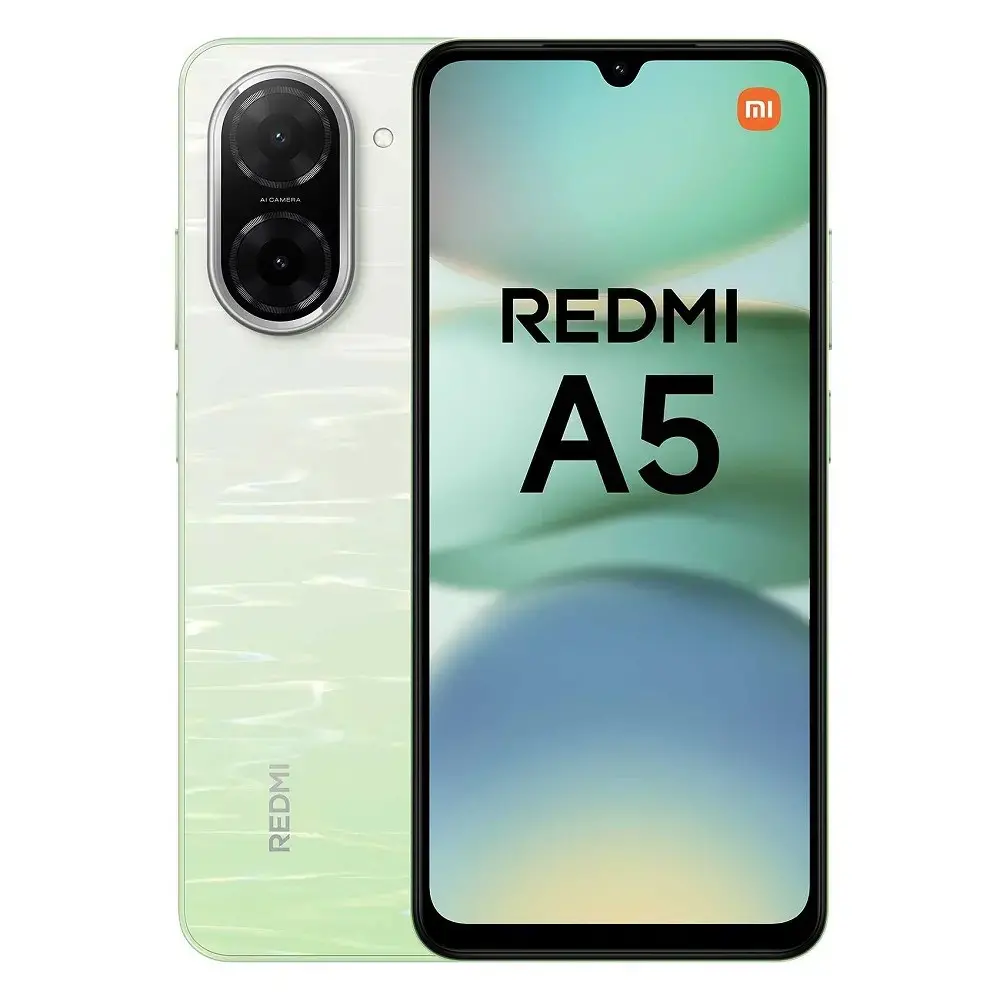
Available Variants
Full Specifications
Upgrade Worth It?Network
| Technology | GSM / HSPA / LTE |
| 2G bands | GSM 850 / 900 / 1800 / 1900 |
| 3G bands | HSDPA 850 / 900 / 2100 |
| Speed | HSPA, LTE |
| 4G bands | 1, 3, 5, 7, 8, 20, 28, 38, 40, 41 |
Launch
| Announced | 2025, March 21 |
| Status | Available. Released 2025, March 21 |
Body
| Protection | Dust and splash resistant |
| SIM | Nano-SIM + Nano-SIM |
| Weight | 193 g (6.81 oz) |
| Dimensions | 171.7 x 77.8 x 8.3 mm (6.76 x 3.06 x 0.33 in) |
Display
| Size | 6.88 inches, 112.4 cm2 (~84.1% screen-to-body ratio) |
| Resolution | 720 x 1640 pixels (~260 ppi density) |
| Protection | Mohs level 5 |
| Type | IPS LCD, 120Hz, 450 nits (typ) |
Hardware & Software
| OS | Android 15 (Go edition), up to 2 major Android upgrades |
| Chipset | Unisoc T7250 (12 nm) |
| CPU | Octa-core (2x1.8 GHz Cortex-A75 & 6x1.6 GHz Cortex-A55) |
| GPU | Mali-G57 MP1 |
Memory & Storage
| Card slot | microSDXC (dedicated slot) |
| Storage Type | eMMC 5.1 |
| Internal | 64GB 3GB RAM, 64GB 4GB RAM, 128GB 4GB RAM, 128GB 6GB RAM |
Main Camera
| Single | 32 MP, f/2.0, (wide) |
| Video | 1080p@30fps |
| Features | LED flash, HDR |
Selfie Camera
| Single | 8 MP, f/2.0, (wide) |
| Video | 1080p@30fps |
| Features | HDR |
Sound
| Loudspeaker | Yes |
| 3.5mm jack | Yes |
Connectivity
| WLAN | Wi-Fi 802.11 a/b/g/n/ac, dual-band |
| USB | USB Type-C 2.0 |
| Radio | FM radio |
| NFC | No |
| Positioning | GPS, GALILEO, GLONASS, BDS |
| Bluetooth | 5.2, A2DP, LE |
Features
| Virtual Proximity Sensing | Virtual proximity sensing |
| Sensors | Fingerprint (side-mounted), accelerometer, compass |
Battery
| Charging | 15W wired |
| Type | 5200 mAh |
Tests
| Free fall | Class A (270 falls) |
| Repairability | Class C |
| Energy | Class B |
| Battery | 45:26h endurance, 1000 cycles |
Community Discussions
(0)No Discussions Yet
Be the first to ask a question, share a review, or give advice about the Xiaomi Redmi A5 4G.
Start a DiscussionFrequently Asked Questions
Description
Overview & Display
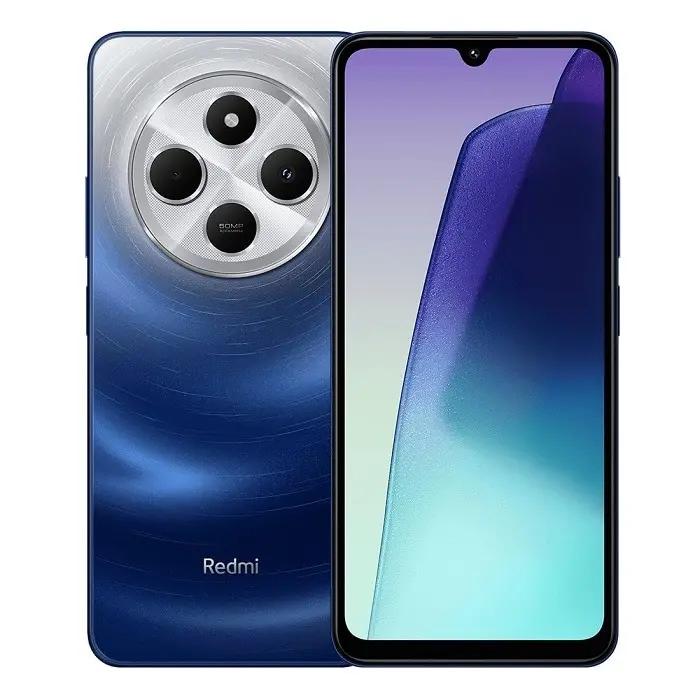
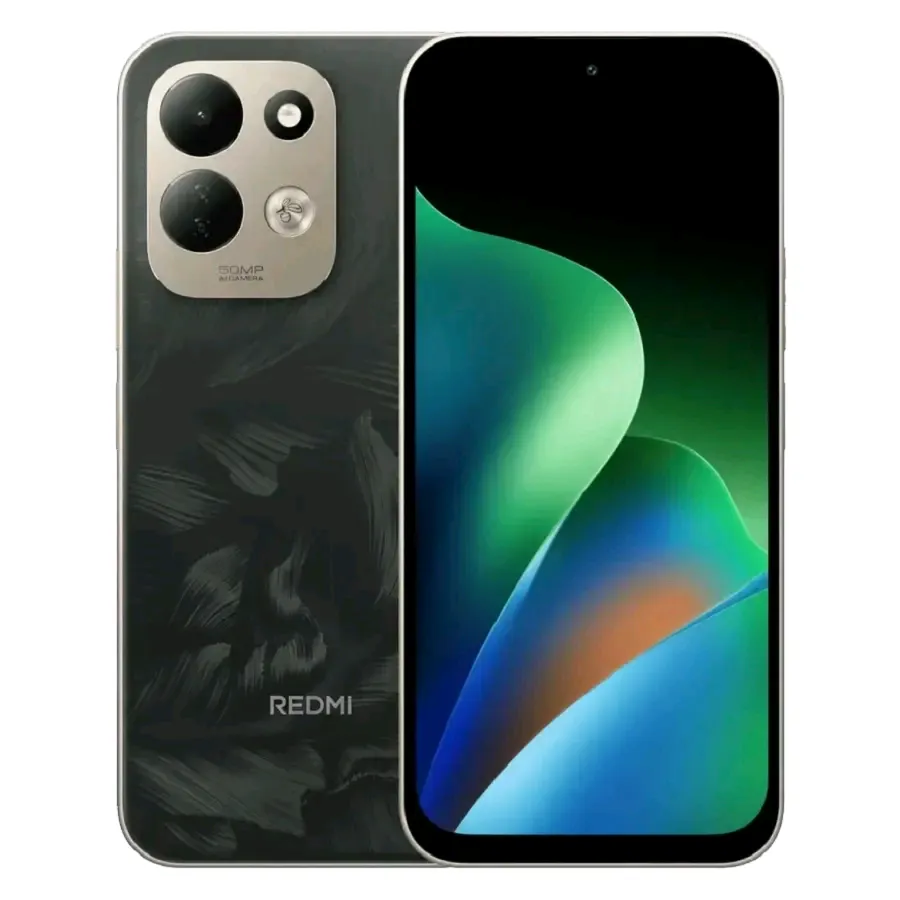
The Xiaomi Redmi A5 4G, launched in 2025, presents a substantial footprint designed around a massive 6.88-inch IPS LCD display. This expansive screen real estate is tailored heavily toward media consumption and web browsing, making text and video elements comfortably readable. Smooth scrolling and fluid UI transitions are driven by a high 120Hz refresh rate, a characteristic that makes browsing social media feeds and navigating menus feel highly responsive. The panel achieves a typical brightness of 450 nits, ensuring clarity when navigating interfaces in standard indoor and mild outdoor environments. In terms of exterior durability and build materials, the smartphone incorporates dust and splash resistance to protect against accidental minor liquid exposure or ambient debris. The front glass panel utilizes Mohs level 5 protection, offering a layer of physical shielding against everyday abrasions. Powering the system performance is an octa-core Unisoc T7250 chipset built on a 12nm process, utilizing a combination of two performance Cortex-A75 cores clocked at 1.8 GHz alongside six power-efficient Cortex-A55 cores running at 1.6 GHz. Combined with a Mali-G57 MP1 graphics processing unit, this hardware configuration provides an operating experience focused squarely on fundamental tasks, allowing users to move through core applications, check messages, stream media, and handle communication channels without complex overhead.
Camera & Battery
The photographic hardware on the rear of the device centers around a single 32 MP wide-angle camera sensor. Supported by an LED flash and High Dynamic Range capabilities, this main shooter captures standard daylight photos and balances high-contrast lighting scenarios effectively during basic photography sessions. Video recording on the primary camera setup handles regular video capture at a resolution of 1080p at 30 frames per second, matching standard requirements for casual video clips or recording personal moments. Flip the phone over, and the front-facing selfie camera relies on an 8 MP wide sensor, which also features HDR processing to manage background exposure during video calls and casual self-portraits. This front camera records video at up to 1080p at 30 frames per second, keeping video clarity consistent for virtual meetings. Internal power is anchored by a large 5200 mAh capacity battery, which is engineered to endure extended operational periods throughout the day. It comfortably manages continuous screen-on activities like streaming or persistent social media navigation before needing a replenishment. When it is time to plug the device back into a power source, the smartphone utilizes a 15W wired charging rate via its standard USB Type-C 2.0 port, allowing the high-capacity battery to steadily rebuild its energy levels.
Who Should Buy This
This smartphone is primarily designed for individuals who require an expanded, fast-refreshing display for visual comfort alongside exceptional battery longevity. Students who spend hours reading digital documents, watching educational lectures, or keeping up with study groups will appreciate the large screen size and the ability to go standard lengths of time away from a wall charger. It also suits casual users who prioritize heavy media consumption, such as streaming long video playlists, navigating communication apps, and executing basic multitasking routines. However, users must acknowledge certain trade-offs present in this configuration. The internal graphics hardware and processing unit deliver basic performance parameters, meaning individuals looking for intensive mobile gaming sessions will encounter noticeable lag and lower frame rates when driving demanding applications. Additionally, while connectivity suite elements include dual-band Wi-Fi, Bluetooth 5.2, and diverse global positioning systems like GPS, GALILEO, GLONASS, and BDS, the hardware explicitly lacks Near Field Communication capabilities. This means users cannot utilize the phone for contactless terminal payments or quick tap-to-pair physical accessories. On the positive side, the hardware retains traditional features like a dedicated microSDXC card slot for expandable storage alongside an integrated 3.5mm headphone jack, keeping older audio accessories fully functional.
Pros
The large 6.88-inch display provides an expansive area for comfortable reading and video viewing.
A 120Hz refresh rate delivers fluid visual motion and responsive interface scrolling.
The 5200 mAh battery ensures reliable longevity for prolonged daily usage.
Built-in dust and splash resistance offers security against minor environmental exposure.
Includes both a dedicated microSDXC slot and a 3.5mm headphone jack for versatile connectivity.
Cons
Graphic capabilities limit gaming performance to basic settings with noticeable stutter on demanding titles.
The device lacks NFC support for contactless data sharing and terminal payments.
Charging speeds are capped at 15W, requiring more time to fully restore the large battery capacity.
Verdict
The Xiaomi Redmi A5 4G functions as a highly stable, large-screen device focused on media streaming and exceptional battery endurance. It serves as an excellent match for casual users and students who prioritize text readability, fluid scrolling, and long unplugged operation over high-end gaming.
Write a Review
Reviews (4)
Upgrade Worth It?
Using an older phone?
Compare your current device with Xiaomi Redmi A5 4G to analyze performance gains and price difference.
Camera Samples
Performance & Features
Estimated average on high settings
Screen-on time (mixed usage)
Based on AI analysis
* These values are calculated automatically by our system and may not be 100% accurate.