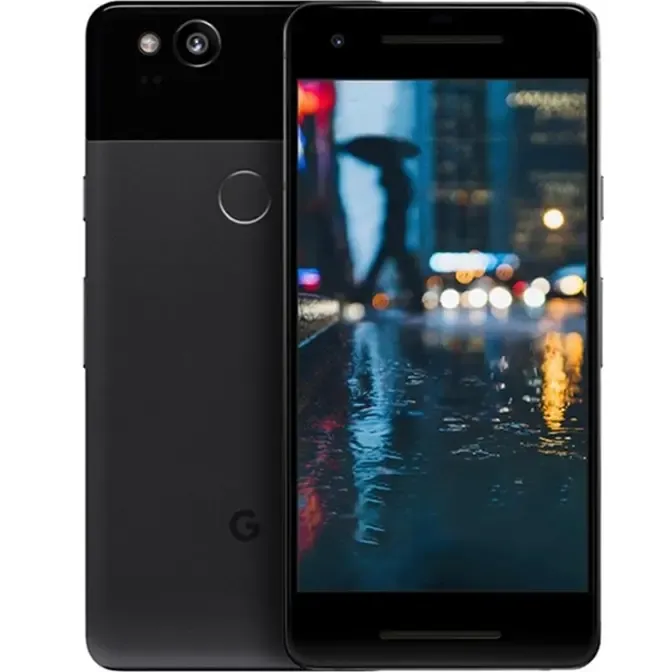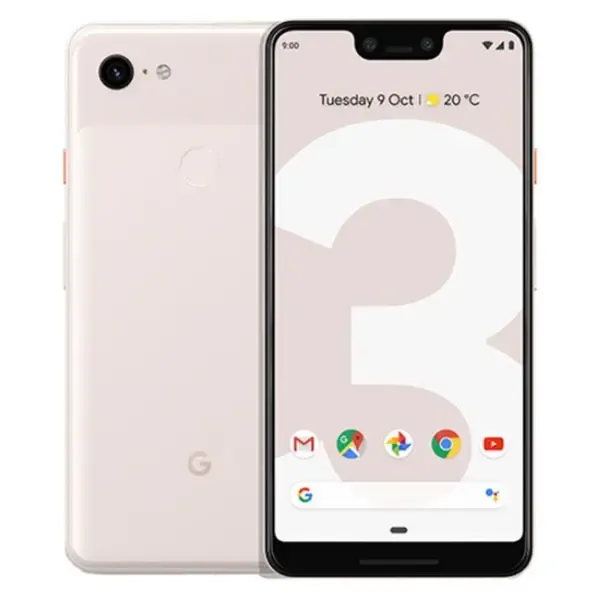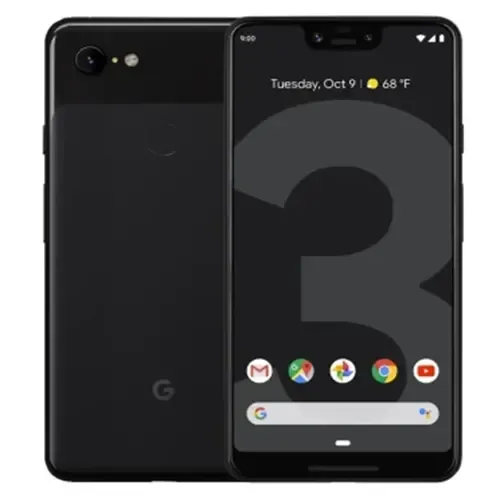
Available Variants
Full Specifications
Upgrade Worth It?Network
| Technology | GSM / CDMA / HSPA / EVDO / LTE / 5G |
| 2G bands | GSM 850 / 900 / 1800 / 1900, CDMA 800 / 1700 / 1900 |
| 3G bands | HSDPA 800 / 850 / 900 / 1700(AWS) / 1900 / 2100, CDMA2000 1xEV-DO |
| Speed | HSPA, LTE, 5G |
| 4G bands | 1, 2, 3, 4, 5, 7, 8, 12, 13, 14, 17, 18, 19, 20, 25, 26, 28, 29, 30, 32, 38, 39, 40, 41, 42, 46, 48, 66, 71 |
| 5G bands | 1, 2, 3, 5, 7, 8, 12, 14, 20, 25, 28, 30, 38, 40, 41, 48, 66, 71, 77, 78, 257, 258, 260, 261, 1, 2, 3, 5, 7, 8, 12, 14, 20, 25, 28, 30, 38, 40, 41, 48, 66, 71, 77, 78 |
Launch
| Announced | 2021, October 19 |
| Status | Available. Released 2021, October 28 |
Body
| Protection | IP68 dust tight and water resistant (immersible up to 1.5m for 30 min) |
| SIM | Nano-SIM + eSIM |
| Build | Glass front (Gorilla Glass Victus), glass back (Gorilla Glass 6), aluminum frame |
| Weight | 207 g (7.30 oz) |
| Dimensions | 158.6 x 74.8 x 8.9 mm (6.24 x 2.94 x 0.35 in) |
Display
| Size | 6.4 inches, 98.9 cm2 (~83.4% screen-to-body ratio) |
| Resolution | 1080 x 2400 pixels, 20:9 ratio (~411 ppi density) |
| Protection | Corning Gorilla Glass Victus |
| Type | AMOLED, 90Hz, HDR10+ |
Hardware & Software
| OS | Android 12, upgradable to Android 15, up to 5 major Android upgrades |
| Chipset | Google Tensor (5 nm) |
| CPU | Octa-core (2x2.80 GHz Cortex-X1 & 2x2.25 GHz Cortex-A76 & 4x1.80 GHz Cortex-A55) |
| GPU | Mali-G78 MP20 |
Memory & Storage
| Card slot | No |
| Internal | 128GB 8GB RAM, 256GB 8GB RAM, UFS 3.1 |
Main Camera
| Video | 4K@30/60fps, 1080p@30/60/120/240fps; gyro-EIS, OIS |
| Features | Laser AF, Dual-LED flash, Pixel Shift, Auto-HDR, panorama |
| Dual | 50 MP, f/1.9, 25mm (wide), 1/1.31", 1.2µm, dual pixel PDAF, OIS 12 MP, f/2.2, 17mm, 114˚ (ultrawide), 1.25µm |
Selfie Camera
| Single | 8 MP, f/2.0, 24mm (wide), 1.12µm |
| Video | 1080p@30fps |
| Features | HDR, panorama |
Sound
| Loudspeaker | Yes, with stereo speakers |
| 3.5mm jack | No |
Connectivity
| WLAN | Wi-Fi 802.11 a/b/g/n/ac/6e, dual-band, Wi-Fi Direct |
| USB | USB Type-C 3.1 |
| Radio | No |
| NFC | Yes |
| Positioning | GPS (L1+L5), GLONASS (G1), BDS (B1I+B1c+B2a), GALILEO (E1+E5a), QZSS (L1+L5) |
| Bluetooth | 5.2, A2DP, LE, aptX HD |
Features
| Sensors | Fingerprint (under display, optical), accelerometer, gyro, proximity, compass, barometer |
Battery
| Charging | Wired (based on 30W charger), PD3.0, 50% in 30 min 21W wireless Reverse wireless |
| Type | Li-Ion 4614 mAh |
Tests
| Performance | AnTuTu: 676831 (v9) GeekBench: 2899 (v5.1) GFXBench: 57fps (ES 3.1 onscreen) |
| Battery (old) | Endurance rating 86h |
| Loudspeaker | -26.9 LUFS (Good) |
| Camera | Photo / Video |
| Display | Contrast ratio: Infinite (nominal) |
Community Discussions
(0)No Discussions Yet
Be the first to ask a question, share a review, or give advice about the Google Pixel 6.
Start a DiscussionFrequently Asked Questions
Description
Overview & Display
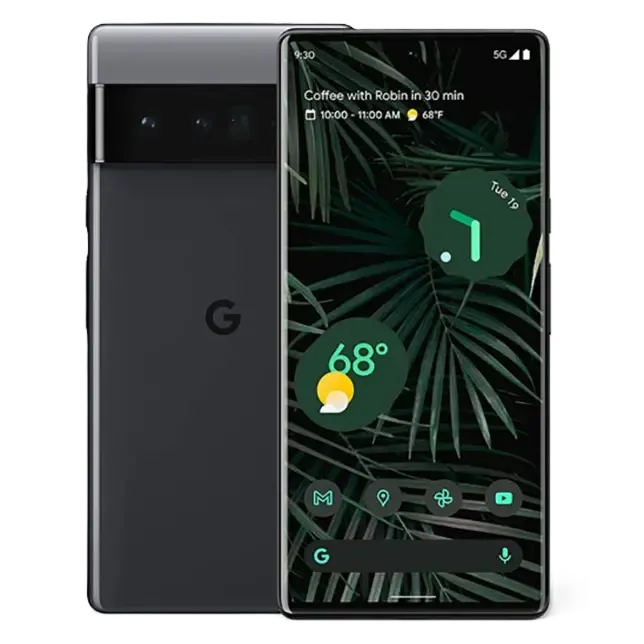
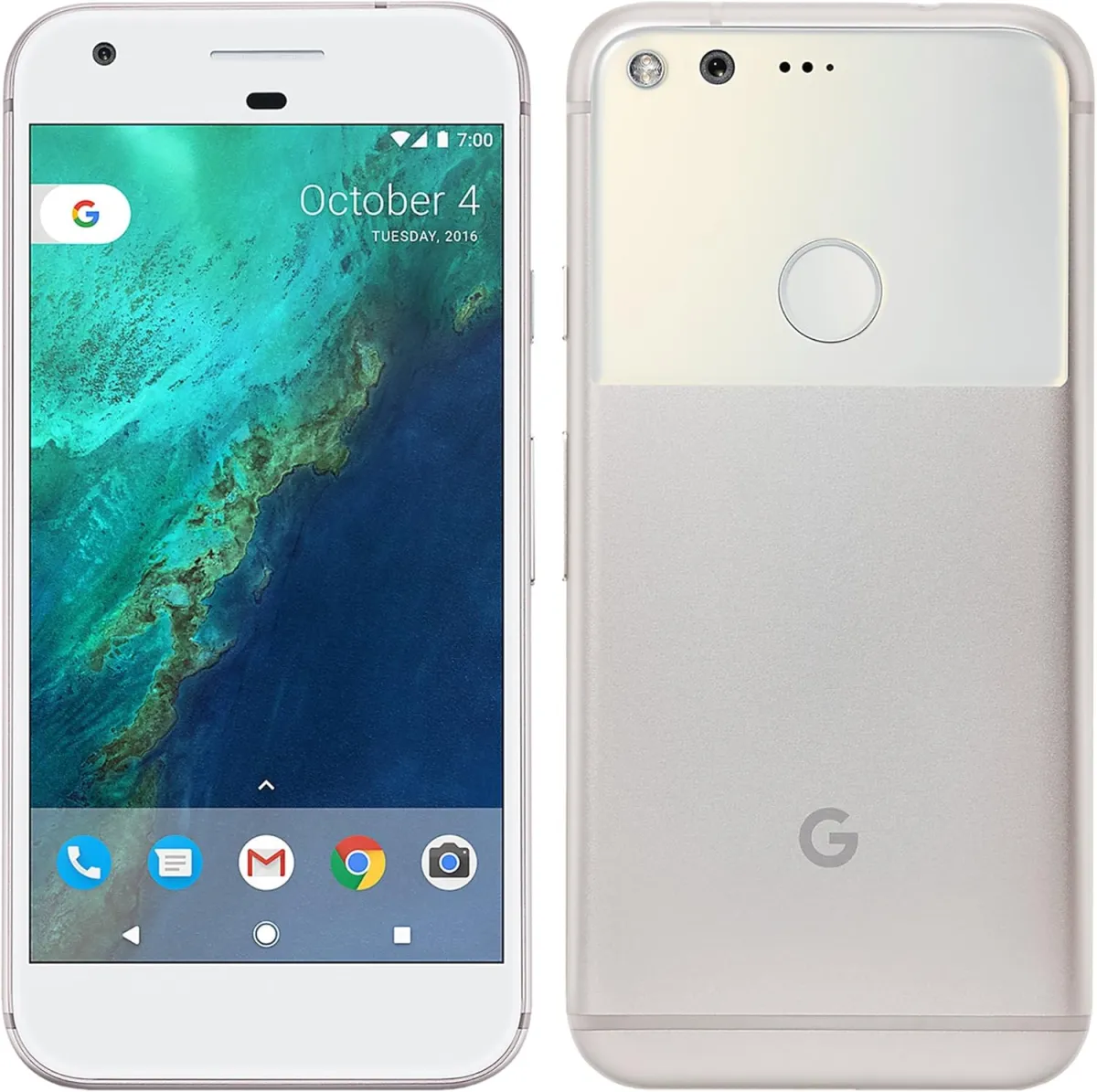
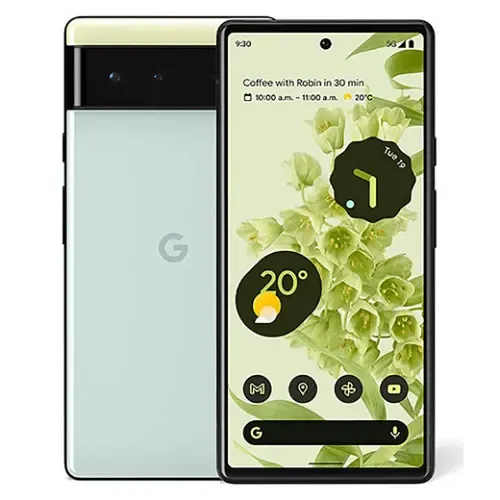
The Google Pixel 6 showcases a premium aesthetic with its glass front protected by Gorilla Glass Victus and a sturdy Gorilla Glass 6 back, all held together by an aluminum frame. Tipping the scales at 207 grams, it feels substantial yet comfortable in hand. The 6.4-inch AMOLED display brings content to life with a smooth 90Hz refresh rate and striking HDR10+ support. Watching videos or scrolling through feeds feels incredibly immersive thanks to the 1080 x 2400 resolution and infinite contrast ratio. Stereo speakers further elevate the multimedia experience, delivering clear audio for your favorite movies. Additionally, the IP68 rating ensures peace of mind against dust and water immersion up to 1.5 meters for thirty minutes.
Under the hood, the Google Pixel 6 is powered by the custom Google Tensor chipset built on a 5nm process. This silicon works alongside an octa-core CPU and a Mali-G78 MP20 GPU to handle everyday tasks with ease. With 8GB of RAM and UFS 3.1 storage options of 128GB or 256GB, multitasking between apps remains snappy and responsive. Although there is no expandable storage, the internal memory provides ample space for most users. Originally launching with Android 12, this device supports up to five major upgrades, meaning it can run Android 15. This long-term software support ensures the phone stays fresh and secure for years to come.
Camera & Battery
Photography is where the Google Pixel 6 truly shines. The dual rear setup features a 50MP wide sensor with optical image stabilization and a 12MP ultrawide lens. With features like Laser Autofocus, Pixel Shift, and Auto-HDR, capturing detailed and balanced shots is effortless. Video recording is equally impressive, supporting 4K footage at 60fps and 1080p at up to 240fps, all stabilized by gyro-EIS and OIS. For selfie enthusiasts, the 8MP front camera captures decent 1080p video at 30fps and includes HDR and panorama modes for versatile shooting.
Keeping everything running is a 4614 mAh Li-Ion battery that boasts an endurance rating of 86 hours. In real-world daily usage, this easily translates to a full day of mixed activities without needing a top-up. When it is time to recharge, the 30W wired charging fills the battery to 50% in just 30 minutes. The device also supports 21W wireless charging and reverse wireless charging, adding excellent convenience for users who prefer cable-free setups. Connectivity options like Wi-Fi 6e, Bluetooth 5.2, and comprehensive 5G band support ensure you stay connected at all times.
Who Should Buy This
The Google Pixel 6 is an excellent choice for Android enthusiasts who prioritize camera performance and long-term software support. If you value a clean software experience with guaranteed updates up to Android 15, this device fits the bill perfectly. It is ideal for content creators who need reliable 4K video recording and advanced photography features like Pixel Shift. However, users who heavily rely on expandable storage or prefer a traditional 3.5mm headphone jack might want to look elsewhere. Ultimately, this smartphone targets everyday users seeking a premium, reliable, and future-proof mobile experience without unnecessary bloatware.
Pros
- AMOLED display with 90Hz refresh rate and HDR10+
- Google Tensor chipset ensures smooth daily performance
- IP68 dust and water resistance for durability
- 50MP main camera with 4K video recording
- Up to five major Android software upgrades
Cons
- No microSD card slot for expandable storage
- Lacks a 3.5mm headphone jack
- Does not include an FM radio
- Heavy 207-gram body might feel bulky
Verdict
Overall, the Google Pixel 6 delivers a flagship experience driven by excellent software and powerful camera hardware. The combination of the Google Tensor processor and a smooth 90Hz AMOLED display makes daily tasks enjoyable. Its main strengths lie in photography, long-term Android updates, and robust build quality. However, the lack of expandable storage and a headphone jack are notable limitations. If you want a reliable smartphone with exceptional imaging capabilities and future-proof software, this device comes highly recommended.
Write a Review
Reviews (3)
Upgrade Worth It?
Using an older phone?
Compare your current device with Google Pixel 6 to analyze performance gains and price difference.
Camera Samples
Performance & Features
Estimated average on high settings
Screen-on time (mixed usage)
Based on AI analysis
* These values are calculated automatically by our system and may not be 100% accurate.
Antutu Benchmark
v9* Scores are based on lab tests and may vary by device condition and version.