
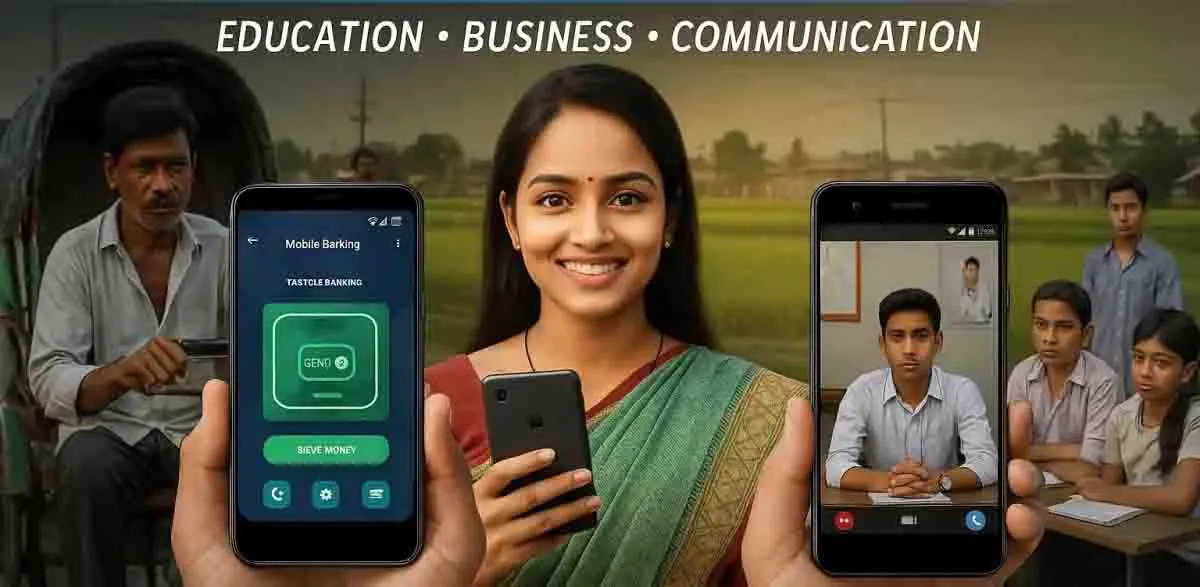
How Smartphones Changed Our Daily Life in Bangladesh
Just a decade ago, mobile phones in Bangladesh were mostly used for calling and sending short text messages. Today, smartphones have become an essential part of everyday life. From communication and education to business and entertainment, smartphones have transformed how people in Bangladesh live, work, and think.
This change did not happen overnight. It evolved gradually as internet access expanded, affordable smartphones entered the market, and digital services became more accessible to the general public.
The Evolution of Smartphone Usage in Bangladesh
Bangladesh experienced a major digital shift after the introduction of affordable Android smartphones and mobile internet services. What was once considered a luxury item is now a daily necessity for millions of people across cities and rural areas.
Students, professionals, small business owners, and even farmers now rely on smartphones for information, productivity, and connectivity. The smartphone is no longer just a device—it is a tool for empowerment.
Communication Became Faster and Easier
Smartphones completely changed how people communicate in Bangladesh. Traditional phone calls have been replaced by instant messaging apps, video calls, and social media platforms.
People can now stay connected with family members abroad, attend virtual meetings, and share moments instantly. Distance is no longer a barrier, and communication has become more personal, visual, and immediate.
Education in the Palm of the Hand
One of the biggest impacts of smartphones in Bangladesh is in education. Students now have access to online classes, video tutorials, digital books, and educational apps.
During difficult times such as the COVID-19 pandemic, smartphones played a crucial role in continuing education. Even today, many learners depend on their phones to prepare for exams, learn new skills, and access global knowledge.
Smartphones have helped reduce the gap between urban and rural education by providing learning opportunities beyond traditional classrooms.
Business and Earning Opportunities Expanded
Smartphones have opened new doors for income and entrepreneurship in Bangladesh. Small businesses now use social media platforms to promote products, communicate with customers, and manage orders.
Freelancing, online services, digital marketing, and content creation have become popular career options—mostly powered by smartphones and internet access. Mobile banking and digital payment systems have also made financial transactions faster and more secure.
For many people, a smartphone is now a source of livelihood.
Entertainment Became Digital and On-Demand
Entertainment habits in Bangladesh have changed dramatically due to smartphones. People now watch videos, listen to music, play games, and follow live content anytime, anywhere.
Streaming platforms, YouTube, and social media have replaced traditional media consumption patterns. Smartphones provide instant entertainment without time or location limitations.
This shift has also created new opportunities for local content creators and digital media platforms.
Access to Information and Services Improved
Smartphones have made information easily accessible. News updates, weather forecasts, job circulars, government services, and emergency information are now just a few taps away.
Digital services such as ride-sharing, food delivery, telemedicine, and online shopping have simplified daily life. Smartphones save time, reduce effort, and increase efficiency for users across Bangladesh.
Challenges of Smartphone Dependency
While smartphones have improved life in many ways, excessive dependency also brings challenges. Screen addiction, reduced physical activity, misinformation, and privacy concerns are real issues that need awareness and responsible usage.
Technology is powerful, but it must be used wisely to ensure a healthy balance between digital and real life.
The Future of Smartphones in Bangladesh
The role of smartphones in Bangladesh will continue to grow. With faster internet, better devices, and increasing digital literacy, smartphones will become even more integrated into daily life.
From smart services to AI-powered applications, the future looks promising. Smartphones will remain a key driver of digital transformation and economic growth in Bangladesh.
Final Thoughts
Smartphones have reshaped daily life in Bangladesh in ways that were once unimaginable. They have connected people, expanded knowledge, created opportunities, and transformed how society functions.
As technology evolves, understanding smartphones and using them effectively will become even more important. Platforms like PhoneBD aim to help users make informed decisions by providing accurate, fast, and user-friendly mobile information.